 FirstNarration
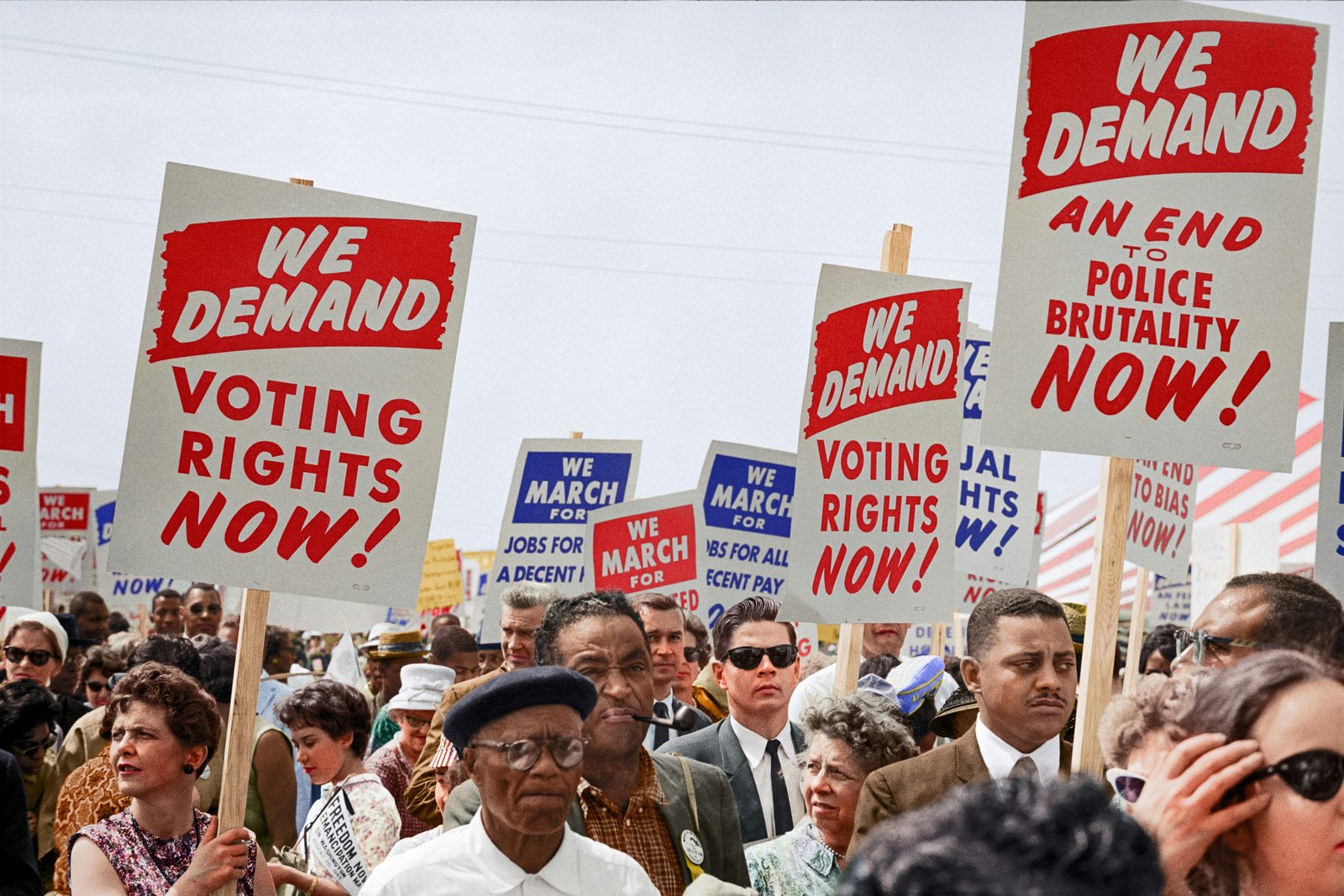
The Congressional Black Caucus has launched a coordinated voter mobilisation effort aimed at increasing turnout among Black, rural, and young Americans in the upcoming midterm elections. The initiative represents a focused push to engage demographic groups that historically face lower participation rates and that Democratic strategists consider essential to electoral success.
The caucus, a group of Black members of the United States Congress, is directing resources and organising capacity toward communities where voting access and engagement have been persistent challenges. The effort comes as both major political parties intensify ground operations ahead of elections that will determine control of Congress.
What the Effort Involves
The mobilisation campaign is targeting three overlapping voter groups. Black voters, particularly in Southern states, remain a core Democratic constituency but turnout varies significantly between presidential and midterm cycles. Rural voters, often harder to reach through traditional campaign methods, are being approached through community networks and local organisations. Young voters, who typically participate at lower rates than older age groups, are being engaged through digital outreach and campus organising.
The Congressional Black Caucus is coordinating with grassroots organisations, faith leaders, and local activists to register voters, educate communities about voting procedures, and ensure people have the information and resources needed to cast ballots. The effort includes addressing practical barriers such as transportation to polling places and understanding voter identification requirements.
Why Midterm Turnout Matters
Midterm elections in the United States consistently see lower voter participation than presidential elections. Turnout among younger voters and some minority communities drops particularly sharply when the presidency is not on the ballot. This pattern has significant consequences for which party controls the House of Representatives and Senate, as well as state level offices.
For Democrats, maintaining strong turnout among Black voters is considered essential to competitive races in states across the South and Midwest. Rural turnout efforts reflect recognition that Democratic support exists in areas often written off as uniformly conservative, though mobilising scattered voters in less populated areas requires different tactics than urban campaigns.
The focus on young voters acknowledges both their growing share of the electorate and their historically inconsistent participation. Engaging this group has become a priority for both parties, though approaches and messaging differ substantially.
The Broader Electoral Context
The mobilisation effort is taking place against a backdrop of ongoing debates over voting access in the United States. Multiple states have enacted new voting laws in recent years, with supporters arguing they enhance election security and critics contending they create unnecessary barriers, particularly for minority and low income voters.
Voter registration drives and turnout operations have become increasingly sophisticated, using data analysis to identify potential supporters and track engagement. Both parties invest heavily in ground game operations during election cycles, though the specific communities targeted and methods used reflect different coalition strategies.
The Congressional Black Caucus initiative is one component of a larger Democratic effort to counter what party strategists see as structural disadvantages in midterm elections, when the party holding the presidency typically loses seats. Whether mobilisation efforts can overcome historical turnout patterns remains a central question as the election approaches.