 FirstNarration
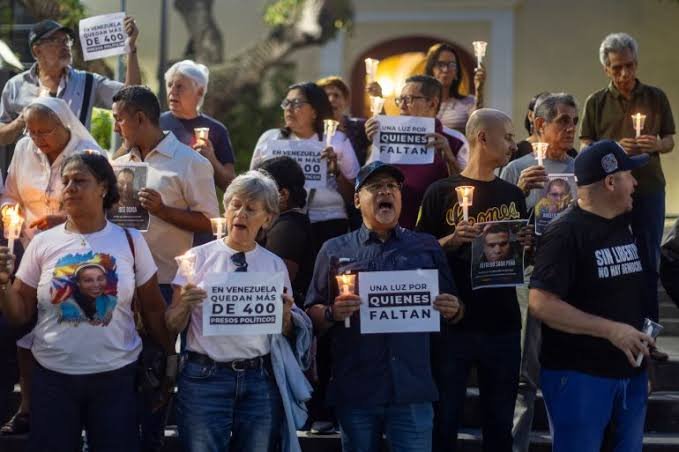
Venezuela has released 39 people who were detained on political grounds, a move that comes after discussions about the country's political future following years of contested leadership under Nicolás Maduro.
The release represents one of the more substantial prisoner releases in recent years, though the exact circumstances and conditions surrounding the decision remain partially unclear. Venezuelan authorities confirmed the releases but have not provided detailed explanations about which specific detainees were freed or whether additional releases are planned.
What Led to the Releases
The prisoner releases follow talks that appear connected to ongoing negotiations about Venezuela's political situation. While the precise terms of these discussions have not been made fully public, the timing suggests they are linked to broader conversations about political transition and governance in the country.
Venezuela has faced sustained international pressure over its detention of opposition figures, activists, and others accused of political crimes. Human rights organizations have documented hundreds of cases where individuals were imprisoned following protests, political activism, or perceived opposition to the government.
The 39 individuals freed were reportedly held in various detention facilities across the country. Their releases were confirmed by family members and legal representatives, though official government statements have been limited.
Venezuela's Political Crisis
Venezuela has been in political and economic turmoil for years. Nicolás Maduro has maintained control despite widespread internal opposition and international recognition of opposition leaders as legitimate representatives. The country has experienced severe economic collapse, mass emigration, and deteriorating living conditions for millions of citizens.
Political detentions have been a consistent feature of the crisis. Opposition leaders, journalists, activists, and ordinary citizens have been arrested on charges that international observers frequently describe as politically motivated. The exact number of political prisoners in Venezuela is disputed, with estimates ranging from several hundred to over a thousand, depending on how cases are classified.
Previous prisoner releases have typically been small in scale or tied to specific negotiations, making this batch of 39 releases noteworthy by comparison. However, such releases have historically been followed by new detentions, creating a cycle that human rights groups say maintains political control while offering occasional gestures toward dialogue.
International Response and Implications
International bodies and foreign governments have long called for the release of political prisoners in Venezuela as a condition for normalizing relations and easing sanctions. The United States, European Union, and several Latin American countries have imposed various restrictions on Venezuelan officials and entities over human rights concerns and democratic backsliding.
Whether this release signals a genuine shift in approach or represents a tactical move remains to be seen. Past negotiations have produced temporary improvements followed by renewed crackdowns, leaving observers cautious about declaring progress until broader patterns change.
For the families of those released, the development brings relief after what in many cases have been years of detention. For the wider Venezuelan population, the releases offer a limited but visible indication that pressure on the government, whether domestic or international, can produce results.
The political situation in Venezuela continues to evolve, with economic pressures, international isolation, and internal dissent creating an unstable environment. How these prisoner releases fit into longer term political developments will depend on whether they are followed by further gestures toward political opening or prove to be an isolated event.