 FirstNarration
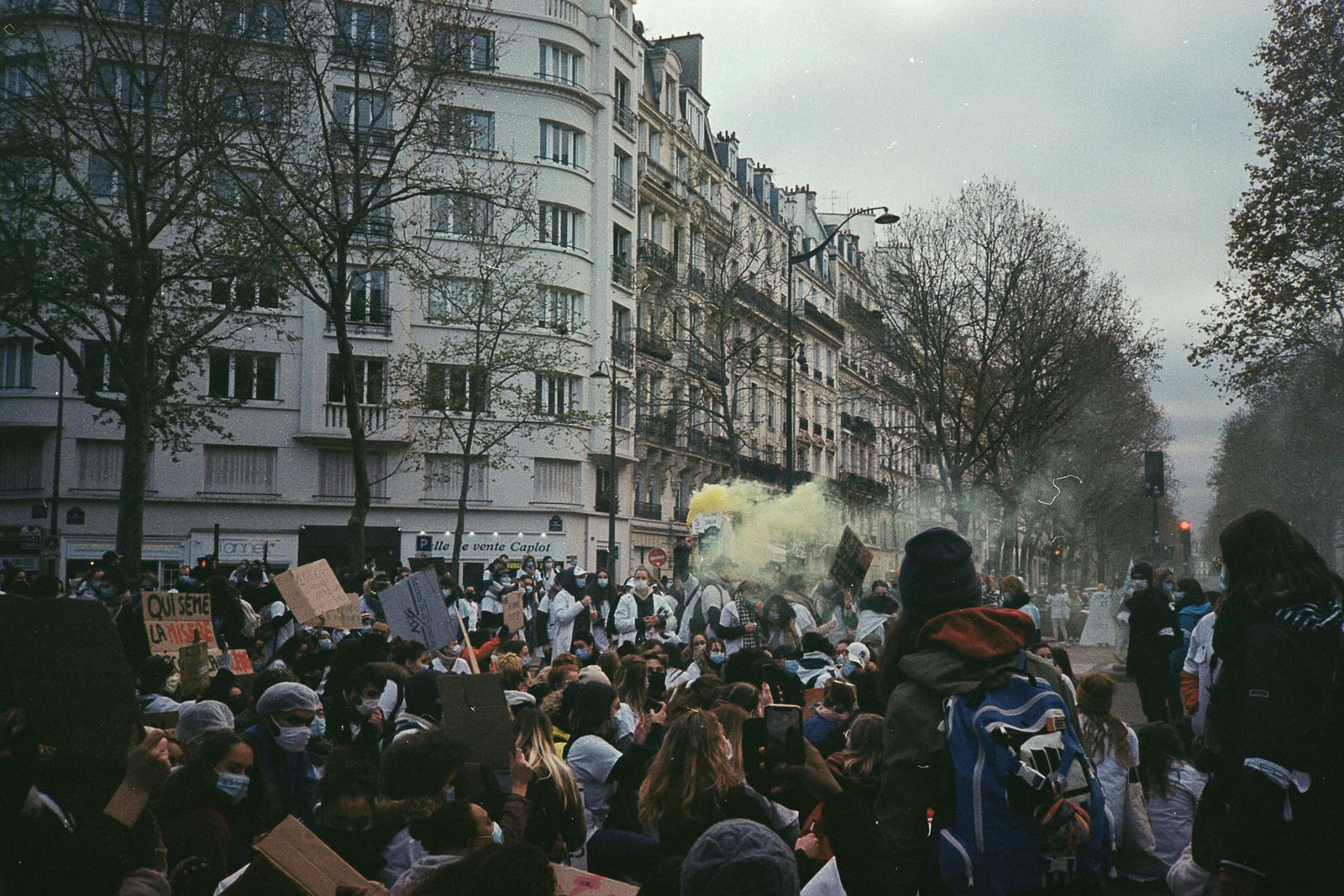
High school students across France have taken to the streets in recent days to protest what they describe as deteriorating conditions in their schools, including overcrowded classrooms, inadequate heating, and crumbling infrastructure. The demonstrations have quickly become a political flashpoint, with opposition parties accusing the government of neglecting public education while government officials defend their record on school investment.
What Students Are Protesting
The protests centre on practical concerns that students say are affecting their ability to learn. Overcrowding has emerged as a primary complaint, with some classrooms reportedly holding significantly more students than they were designed for. Students have also raised issues about heating failures during winter months, leaking roofs, outdated equipment, and insufficient sanitation facilities.
In several cities, student groups have organised walkouts and street demonstrations, calling for immediate government action to address what they characterise as a funding crisis in secondary education. Some protests have drawn hundreds of participants, though exact figures vary by location and have not been officially confirmed.
The movement appears to be largely student organised rather than coordinated by teachers' unions, though some educators have expressed support for the underlying concerns about school infrastructure.
Political Response and Blame
The protests have triggered sharp exchanges between France's political parties. Opposition figures on both the left and right have seized on the demonstrations as evidence of government failure to maintain public services, particularly in education. Left wing parties have called for increased public spending on school infrastructure, while some conservative voices have pointed to what they describe as mismanagement of existing education budgets.
Government representatives have pushed back against these criticisms, pointing to education budget allocations and arguing that infrastructure improvements take time to implement. Officials have also noted that responsibility for school building maintenance is shared between national and local authorities, complicating efforts to assign blame or coordinate solutions.
The debate has become particularly heated as France approaches its next electoral cycle, with education policy likely to feature prominently in campaign discussions. Both government and opposition parties appear to recognise that school conditions resonate with a broad segment of voters, particularly parents and young people.
Broader Context on French Education Funding
France has historically maintained a strong public education system, but questions about funding adequacy have persisted for years. Teachers' unions have previously staged strikes over salary levels and working conditions, and concerns about classroom sizes have been raised repeatedly in national debates.
The current student protests add a new dimension to this ongoing discussion by placing infrastructure quality at the centre of public attention. While France's education spending as a percentage of GDP remains comparable to other developed European countries, critics argue that maintenance of physical facilities has been deferred too often, leading to the problems students are now highlighting.
Some education analysts suggest that the protests reflect not just immediate physical conditions but also broader frustration among young people about resource allocation and government priorities. Whether the demonstrations will lead to concrete policy changes or additional funding commitments remains unclear, though the political attention they have generated suggests the issue will not disappear quickly.
What Happens Next
Student organisers have indicated that protests may continue if their demands are not addressed, though no specific timeline or escalation plan has been publicly announced. The government has not yet made any major policy announcements in direct response to the demonstrations, though education ministry officials have reportedly met with some student representatives.
The outcome will likely depend on whether political pressure translates into budget commitments or legislative action. For now, the protests have succeeded in making school infrastructure a national conversation, forcing politicians across the spectrum to articulate their positions on education funding and maintenance standards.