 FirstNarration
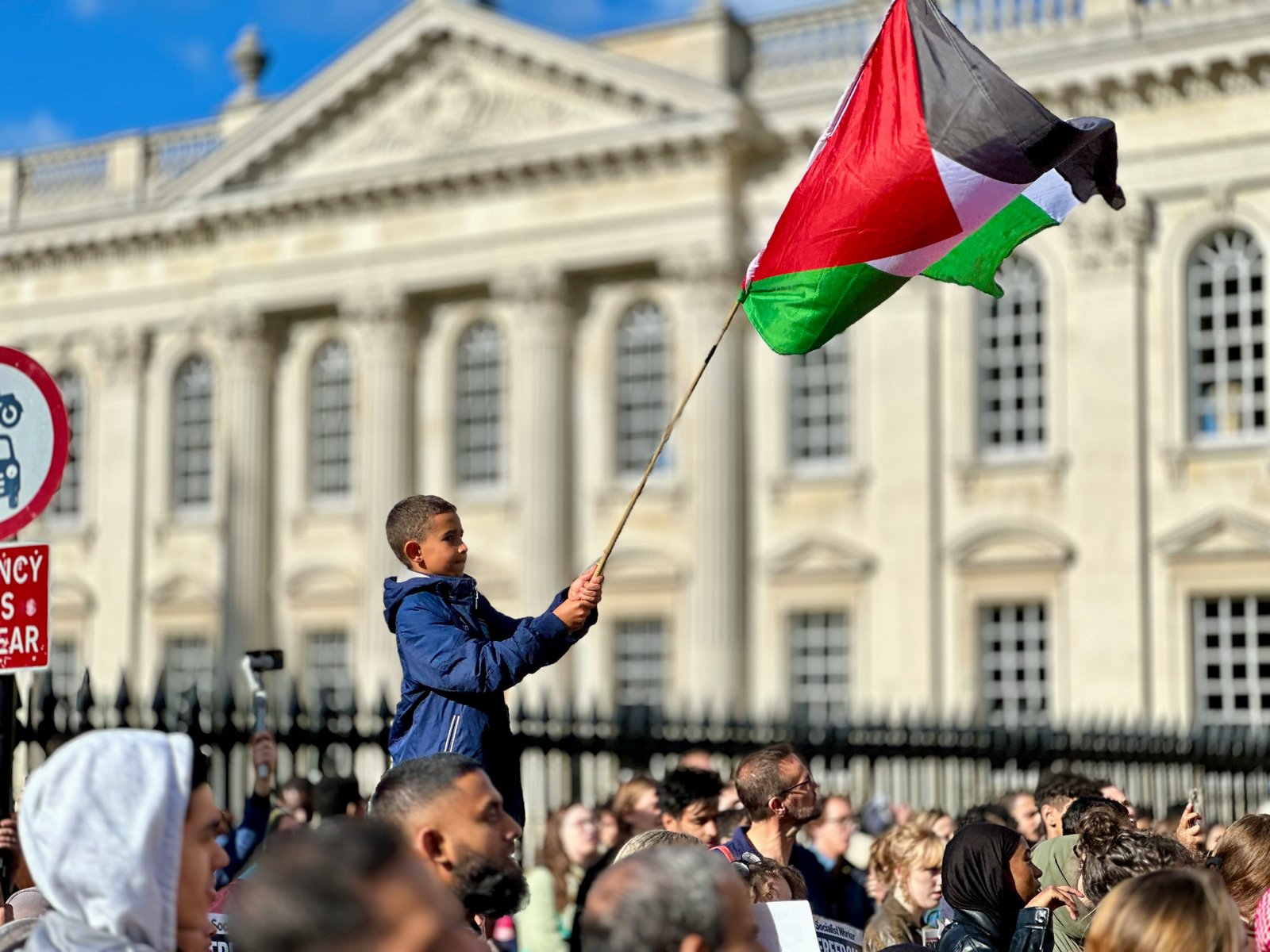
The British Prime Minister is facing criticism over a decision to impose sanctions on Israel, with opponents dismissing the move as gesture politics rather than meaningful policy action. The characterization suggests the sanctions are designed primarily for symbolic impact rather than to achieve concrete diplomatic or humanitarian objectives.
What the Sanctions Involve
While specific details of the sanctions package have not been fully disclosed, the decision represents a shift in the UK government's approach to Israel. Sanctions typically include measures such as asset freezes, travel restrictions on specific individuals, or limitations on certain types of trade or cooperation. The move comes amid ongoing tensions in the Middle East and follows calls from various quarters for stronger international action.
Critics arguing the gesture politics label suggest the sanctions are carefully calibrated to appear responsive to public pressure without imposing measures substantial enough to meaningfully alter the situation on the ground or risk damaging broader bilateral relations.
Political Context and Reaction
The accusation of gesture politics reflects a broader debate about whether governments are taking genuine steps to address international concerns or merely performing symbolic acts to satisfy domestic political constituencies. This criticism often emerges when policy measures are perceived as too limited in scope or unlikely to produce the intended outcome.
The term gesture politics typically implies that a government action is designed more for its appearance and public relations value than for its practical effect. In this case, those making the accusation appear to believe the sanctions will not substantially change Israeli policy or behavior, making them primarily a domestic political statement rather than an effective foreign policy tool.
Why This Matters
The debate over these sanctions touches on fundamental questions about how democracies balance public sentiment, moral positions, and practical diplomatic considerations. When governments face pressure to respond to international events, they must weigh symbolic gestures against actions that carry real diplomatic or economic consequences.
The effectiveness of sanctions as a foreign policy tool remains contested. While some argue they can pressure governments to change behavior, others contend that limited or symbolic sanctions achieve little beyond allowing the imposing government to claim it has taken action.
The UK's relationship with Israel has historically involved balancing support for Israel's security with concerns about Palestinian rights and conditions in occupied territories. Any shift in that balance, even if characterized as gesture politics by critics, reflects evolving political calculations within the British government about how to position itself on one of the most contentious issues in international relations.
Whether the sanctions prove to be substantive policy or symbolic gesture will likely depend on their actual implementation, scope, and whether they are followed by additional measures or remain an isolated action.