FirstNarration

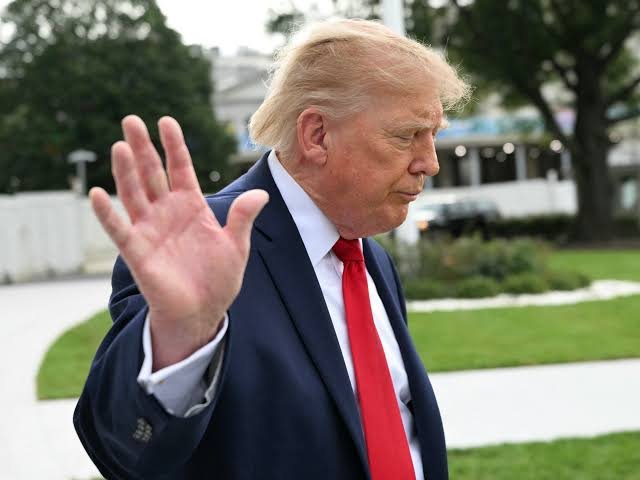
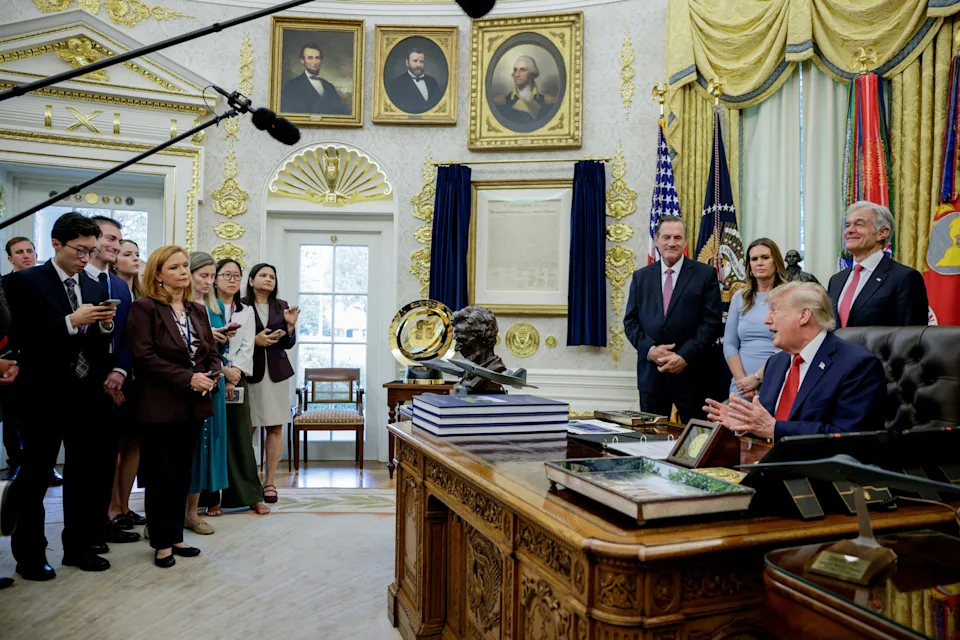
US President Donald Trump has said the conflict with Iran is hopefully approaching its conclusion, claiming Tehran has contacted Washington directly and wants to reach an agreement. Speaking publicly, Trump indicated the United States is open to negotiating with Iran, though he provided no timeline or specific details about the nature of these claimed contacts.
The remarks represent the first time Trump has suggested direct communication between the two governments since tensions escalated in recent weeks. Whether formal negotiations are actually underway remains unconfirmed by independent sources or Iranian officials.
What Trump Said
Trump stated that Iran has reached out to the United States directly, expressing a desire to make a deal. He described the situation as hopefully moving towards an end, though he did not specify what form that conclusion might take or what terms either side might be discussing.
The president's comments suggest a shift in tone from earlier statements, when military action and economic pressure dominated the administration's approach. By publicly acknowledging potential talks, Trump appears to be signaling openness to a diplomatic resolution, though the substance of any discussions remains unclear.
No details have emerged about who initiated contact, what channels are being used, or what specific issues are on the table. The White House has not released further information beyond Trump's public remarks.
Background to the Conflict
Tensions between Washington and Tehran have been high for years, rooted in disputes over Iran's nuclear programme, regional influence, and support for armed groups across the Middle East. The relationship deteriorated sharply after Trump withdrew the United States from the 2015 nuclear agreement and reimposed sanctions designed to cripple Iran's economy.
Recent weeks have seen a further escalation, though the specific incidents prompting Trump's latest comments have not been fully detailed in public reporting. Both sides have previously engaged in cycles of military posturing, proxy confrontations, and rhetorical threats without direct armed conflict between their main forces.
Iran has consistently denied seeking confrontation while maintaining it will defend its interests. The country's leadership has also expressed willingness to negotiate under certain conditions, though those conditions have often included the lifting of sanctions before talks can proceed.
What Happens Next
Whether Trump's comments reflect genuine diplomatic progress or are intended to project strength and control over the situation is not yet clear. Iran has not publicly confirmed direct contact with the Trump administration, and past claims of imminent breakthroughs have not always materialized into formal agreements.
For any negotiation to succeed, both sides would need to agree on what is being discussed and what each is willing to concede. Previous attempts at dialogue have faltered over fundamental disagreements about Iran's nuclear activities, its missile programme, and US sanctions policy.
The international community, including European governments and regional powers, has long called for de-escalation and a return to diplomacy. If direct talks are indeed taking place, they would represent the most significant diplomatic opening between Washington and Tehran in years.
Regional and Global Implications
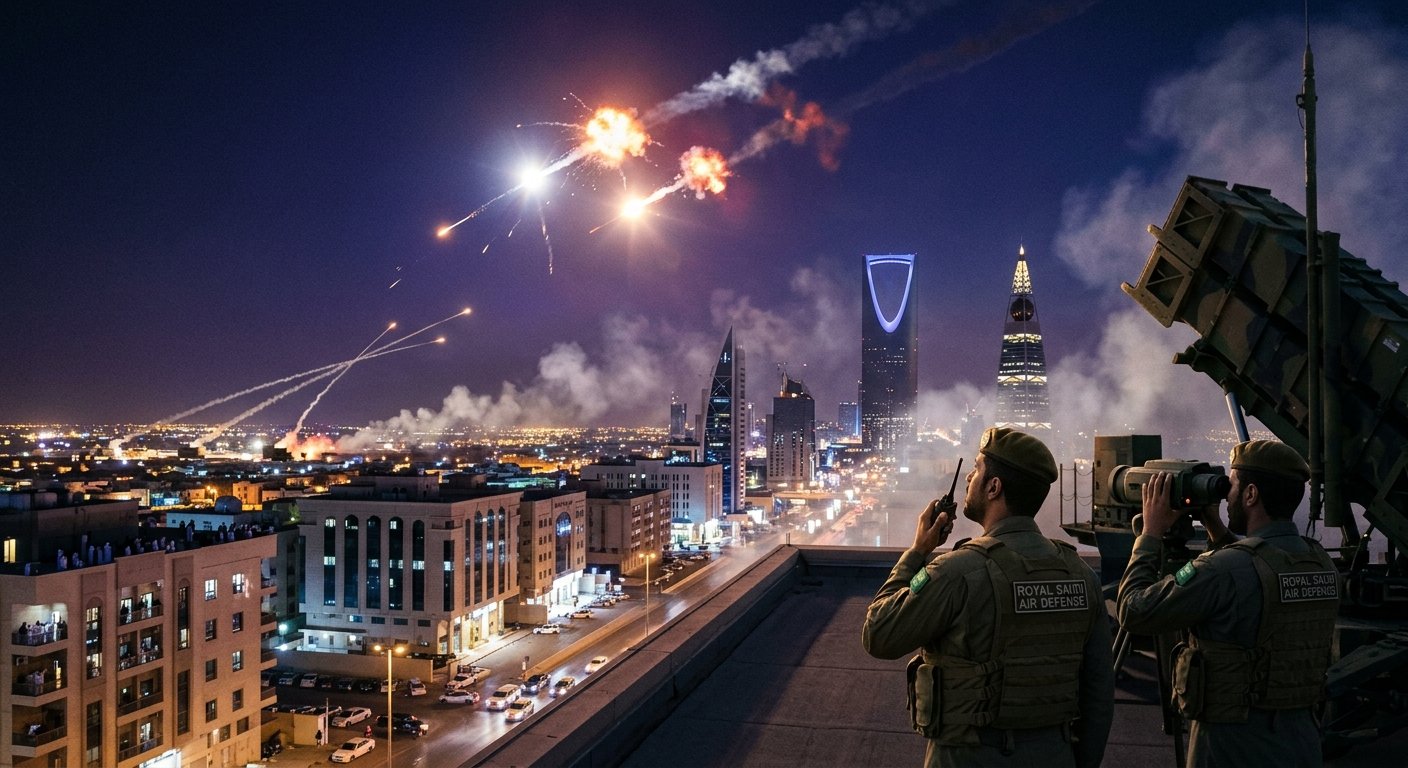
Any shift in US-Iran relations would have immediate consequences across the Middle East, where both countries maintain competing interests and alliances. A reduction in tensions could ease pressure on regional economies, shipping routes, and energy markets, all of which have been affected by the threat of wider conflict.
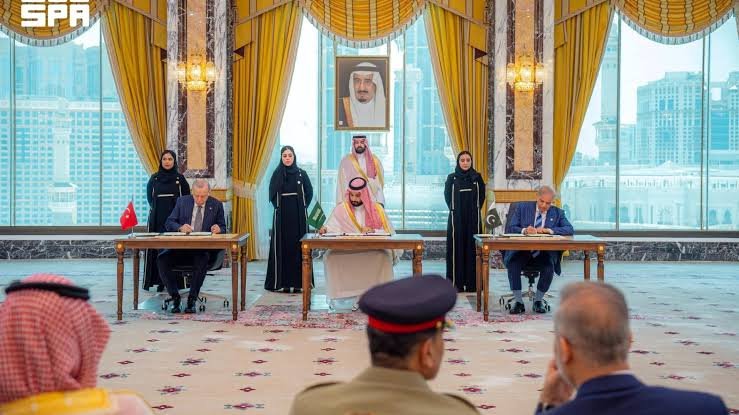
For Pakistan, stability in the region is a strategic priority. The country shares a border with Iran and has historically sought to maintain balanced relations with both Tehran and Washington. Escalation between the two has complicated Pakistan's diplomatic position, particularly given its own security concerns and economic ties.
However, whether Trump's remarks signal a genuine turning point or simply reflect ongoing diplomatic manoeuvring remains to be seen. Until formal negotiations are confirmed and produce tangible results, the situation remains fluid and subject to rapid change.