 FirstNarration
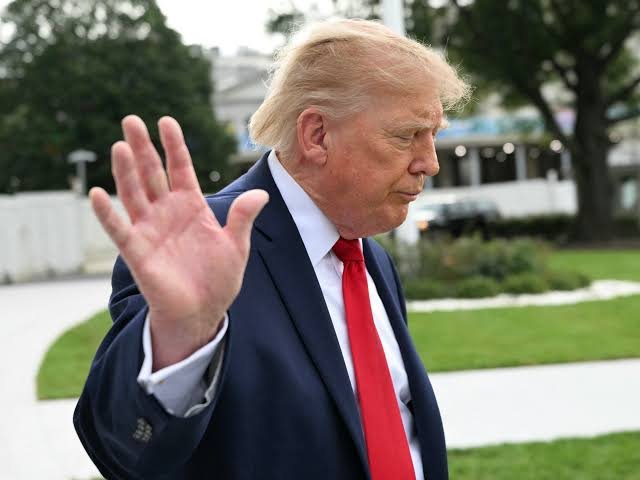
The United States has rejected an Iranian proposal to reopen the Strait of Hormuz within seven days, according to reports. The offer came as Iran continues to block the strategic waterway, through which roughly one-fifth of global oil passes, following recent military escalation between Washington and Tehran.
Iranian officials had reportedly presented the seven-day timeline as part of a broader peace proposal, though details of what Iran was seeking in return remain unclear. The Trump administration declined the offer, with expectations that military operations could resume or intensify following the US midterm elections.
What Is Happening in the Strait
The Strait of Hormuz, a narrow waterway between Iran and the Arabian Peninsula, has become a flashpoint in the current confrontation. Iran's closure or restriction of the strait represents a significant economic pressure point, given the volume of oil and liquefied natural gas that normally passes through the channel daily.
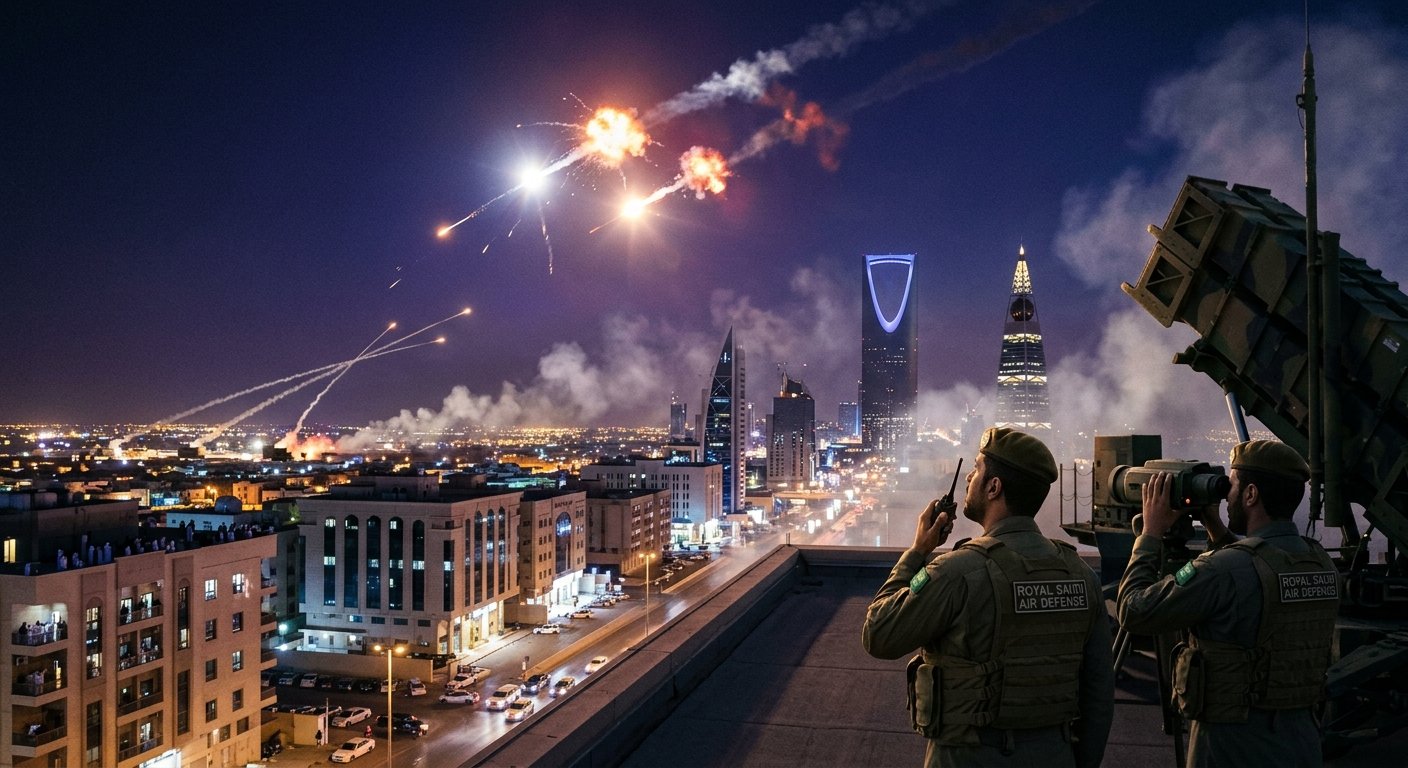
Iranian military officials have issued warnings against what they describe as the mistake of launching further attacks. The Iranian army specifically cautioned the United States against additional military action, though the exact nature of recent operations has not been fully confirmed by independent sources.
Separately, an Iranian official stated that Tehran will make no concessions on its nuclear programme, signaling that any negotiations would not include changes to Iran's atomic activities. This position complicates prospects for a broader settlement, as the nuclear issue has been central to US-Iran tensions for years.
Wider Context and Timing
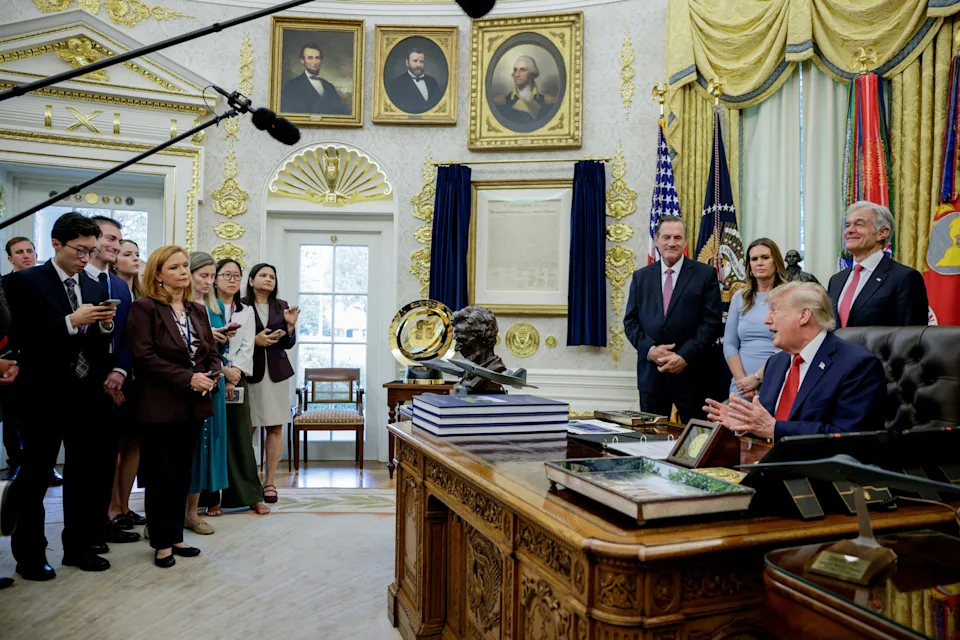
The rejection of Iran's proposal comes at a politically sensitive moment in the United States, with midterm elections approaching. Reports suggest the Trump administration expects a resumption or escalation of bombing operations after the elections conclude, though no official timeline has been announced.
The current standoff follows a pattern of intermittent confrontation between Washington and Tehran that has included sanctions, military posturing, and periodic direct clashes. Previous tensions over the strait have typically involved threats rather than sustained closures, making the current situation more severe than past episodes.
Iran's willingness to offer a specific reopening timeline suggests some interest in de-escalation, but the simultaneous refusal to discuss nuclear matters indicates limits to how far Tehran is prepared to compromise. The US rejection, meanwhile, points to an administration calculation that military pressure will yield better terms than accepting the current offer.
Economic and Regional Implications
The closure or restriction of the Strait of Hormuz has immediate consequences for global energy markets. Oil prices typically respond to any threat to the waterway, and a sustained blockage would force tankers to take far longer routes, increasing costs and potentially creating supply bottlenecks.
For countries dependent on Gulf oil, including several in Asia, the situation creates uncertainty in energy planning. While strategic reserves and alternative suppliers can cushion short-term disruptions, a prolonged closure would require significant adjustments to import patterns.
Regional powers, including Saudi Arabia and the United Arab Emirates, have direct stakes in keeping the strait open, as their own oil exports depend on it. The current standoff therefore carries risks of drawing in other actors beyond just the United States and Iran.
The combination of military threats, economic pressure, and diplomatic rejection suggests the confrontation remains in an active phase rather than moving toward resolution. Whether the situation escalates further or eventually produces a negotiated settlement will depend partly on how both sides assess their leverage and partly on whether third parties, including European nations or international organizations, can broker a compromise neither side will accept directly from the other.