FirstNarration
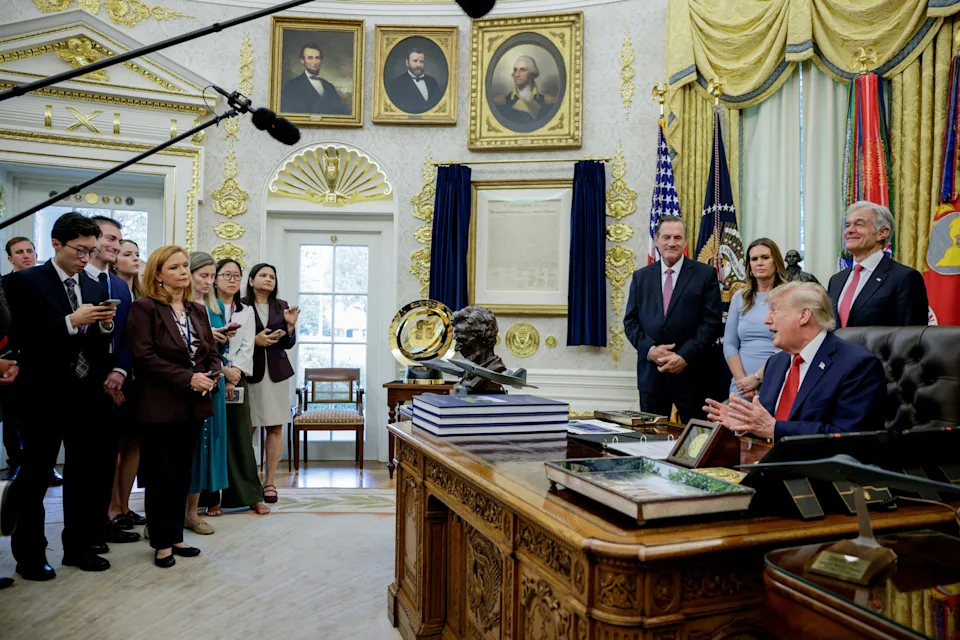
The United States Department of Justice has defended the Trump administration's decision to ban certain news outlets from White House access, arguing in legal filings that such access is a privilege rather than a constitutional right. The position comes as multiple major news organisations have filed suit claiming the ban violates the First Amendment's guarantee of press freedom.
The legal challenge centres on the administration's revocation of press credentials for several outlets, including CNN, Politico, and MSNBC. A federal judge has delayed an immediate ruling on the matter, allowing both sides to present further arguments before deciding whether to restore access while the case proceeds.
What Happened
The Trump administration recently revoked White House press credentials for reporters from multiple news organisations. The outlets affected include CNN, Politico, and MSNBC, though the full list of banned organisations has not been officially confirmed. The decision effectively bars these journalists from attending White House press briefings, accessing the press office, and covering presidential events from inside the building.
According to information that has emerged, Natalie Harp, a White House aide, showed President Trump coverage clips from various outlets before the ban was issued. The exact nature of these clips and their role in the decision remains unclear.
In response, the affected news organisations filed a lawsuit arguing the ban constitutes a blatant violation of the First Amendment. They contend that revoking credentials based on editorial content or coverage decisions amounts to government censorship and viewpoint discrimination.
The Government's Defence
The Department of Justice has filed legal papers defending the administration's position. The core argument is straightforward: access to the White House press room is a privilege extended at the discretion of the executive branch, not a constitutional right that journalists can claim automatically.
The DoJ's position holds that the president and his staff retain authority to determine who receives credentials and under what conditions. This argument draws on previous legal precedent surrounding White House access, though earlier cases have also established that such decisions cannot be arbitrary or based solely on the content of reporting.
A federal judge hearing the case has not yet issued a ruling. The delay suggests the court is treating the matter seriously and may be weighing the competing claims about press freedom versus executive authority carefully.
Why Press Access Matters
White House press credentials provide journalists with regular access to official briefings, the ability to question administration officials directly, and proximity to the president and senior staff. Losing these credentials significantly limits a news organisation's ability to report on the executive branch.
The First Amendment to the US Constitution protects freedom of the press, but the exact boundaries of that protection when it comes to physical access to government facilities have been debated in American courts for decades. Previous cases have established that while the government cannot exclude reporters based purely on the content of their coverage, it does retain some discretion over logistics and security.
What makes this case potentially significant is the breadth of the ban and the prominence of the outlets affected. If the courts uphold the administration's authority to revoke credentials broadly, it could set a precedent affecting how future administrations manage press relations. Conversely, if the courts rule the ban unconstitutional, it would reinforce limits on executive power over media access.
Historical Context
Tensions between US presidents and the press are not new. Previous administrations have clashed with reporters, limited certain types of access, or favoured friendly outlets. However, wholesale revocation of credentials for major news organisations is relatively rare in modern American politics.
In 2018, the Trump administration briefly revoked the credentials of a CNN reporter following a contentious press conference. That decision was reversed after a federal judge issued a temporary restraining order, ruling that the reporter's due process rights had been violated. The current situation differs in scale, involving multiple outlets rather than a single journalist.
The outcome of this case will likely influence how American presidents interact with the press corps going forward, and whether coverage decisions can effectively be penalised through access restrictions.