 FirstNarration
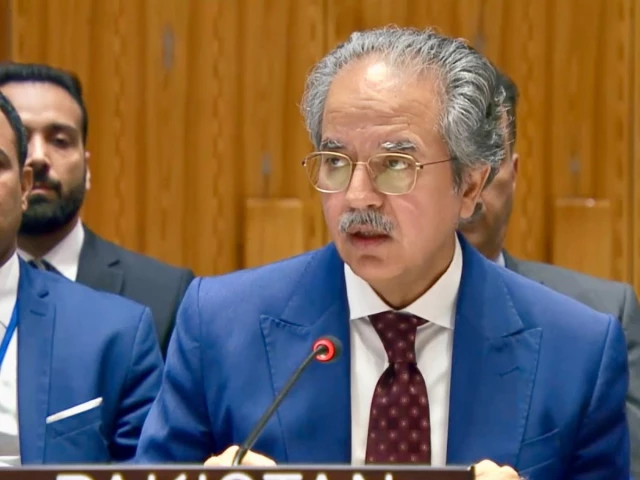
Pakistan has appointed Asim Iftikhar, the country's permanent representative to the United Nations in New York, as its new foreign secretary, marking a significant change in the senior leadership of the Ministry of Foreign Affairs. The appointment brings a seasoned diplomat with extensive multilateral experience to one of the most crucial administrative positions in Pakistan's foreign policy apparatus.
The announcement comes at a time when Pakistan faces complex diplomatic challenges across multiple fronts, from managing relations with neighboring countries to navigating evolving global power dynamics. The foreign secretary position holds particular importance as the principal administrative officer responsible for implementing the country's foreign policy under the guidance of the foreign minister.
Career Diplomat With Extensive Experience
Asim Iftikhar is a career diplomat belonging to the Foreign Service of Pakistan, having joined the service through competitive examination. Throughout his diplomatic career spanning several decades, he has held various important positions both at the Ministry of Foreign Affairs headquarters in Islamabad and at Pakistani missions abroad.
His tenure as Pakistan's permanent representative to the United Nations has been marked by active engagement on issues of particular concern to Pakistan, including the Kashmir dispute, counterterrorism cooperation, and climate change. At the UN, he has represented Pakistan's positions in various forums and worked to build consensus on matters affecting developing countries.
Prior to his UN posting, Iftikhar served in several key diplomatic assignments that equipped him with comprehensive experience in bilateral and multilateral diplomacy. His postings have included assignments in major capitals and exposure to critical regional and global issues that continue to shape Pakistan's foreign policy priorities.
The Role of Foreign Secretary
The foreign secretary serves as the highest-ranking civil servant in Pakistan's foreign ministry, responsible for overseeing the day-to-day operations of the ministry and coordinating the implementation of foreign policy decisions. The position requires managing a vast network of diplomatic missions abroad, handling sensitive bilateral relationships, and ensuring effective communication between various government departments on international matters.
The foreign secretary also plays a crucial role in preparing policy recommendations for the foreign minister and the prime minister, coordinating with other ministries on matters with international dimensions, and representing Pakistan in certain diplomatic engagements. The position demands a deep understanding of international relations, strong administrative capabilities, and the ability to navigate complex diplomatic situations.
Diplomatic Challenges Ahead
The new foreign secretary will assume office at a particularly challenging time for Pakistan's foreign relations. The country continues to work on strengthening ties with neighboring nations while managing longstanding disputes. Economic diplomacy has gained increased importance as Pakistan seeks to attract foreign investment and manage its external debt obligations.
Regional dynamics remain complex, with Pakistan seeking to maintain balanced relationships with major powers while protecting its core national interests. The country's role in regional connectivity initiatives, counterterrorism cooperation, and climate change discussions requires careful diplomatic management and coordination.
Additionally, Pakistan's diaspora communities around the world require consular services and protection, demanding efficient management of overseas missions. The foreign secretary will need to ensure that Pakistan's diplomatic infrastructure is adequately resourced and effectively managed to meet these diverse challenges.
Continuity and Change in Foreign Policy
While foreign secretaries change, Pakistan's fundamental foreign policy objectives remain consistent, centered on safeguarding national sovereignty, promoting economic development, and maintaining peaceful relations with all countries. However, each foreign secretary brings their own experience and approach to implementing these objectives.
Iftikhar's background in multilateral diplomacy, particularly his experience at the United Nations, is expected to prove valuable as Pakistan continues to engage with international organizations and multilateral forums. His understanding of global governance structures and experience in building international coalitions could benefit Pakistan's diplomatic efforts on various platforms.
Looking Forward
The appointment of a new foreign secretary is always a significant moment in any country's diplomatic calendar, representing both continuity and the potential for fresh perspectives on longstanding challenges. As Asim Iftikhar prepares to take up his new responsibilities, the foreign ministry will continue its work of advancing Pakistan's interests on the global stage.
The transition period will involve briefings on ongoing diplomatic initiatives, meetings with foreign diplomats based in Islamabad, and coordination with various government departments. The new foreign secretary will be expected to hit the ground running, given the numerous pressing issues requiring attention and the constant demands of managing a country's foreign relations in an interconnected world.