 FirstNarration
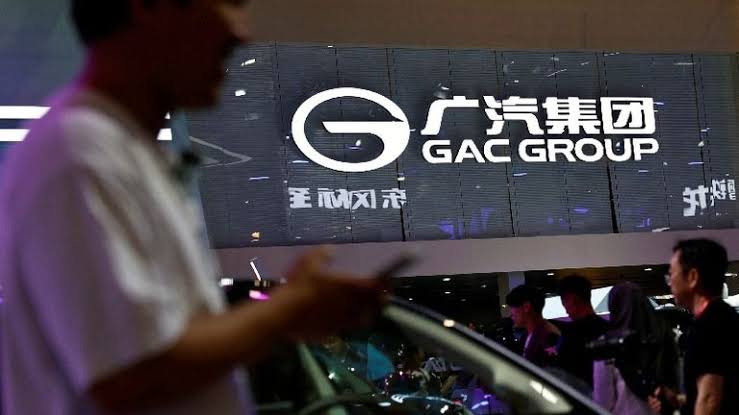
Guangzhou Automobile Group is planning to acquire a 50% stake in FAW Toyota, according to reports emerging from China's automotive sector. The move would represent a major restructuring of one of the country's established automotive joint ventures.
FAW Toyota is currently a joint venture between Toyota Motor Corporation and China FAW Group, one of China's largest state-owned automotive manufacturers. The venture operates multiple production facilities in China and produces popular Toyota models for the domestic market.
What the proposed acquisition involves
The reported plan would see Guangzhou Automobile, another major Chinese state-owned automaker, take a 50% ownership position in FAW Toyota. The exact structure of the deal, including whether Guangzhou Automobile would be acquiring the stake from FAW Group, Toyota, or both parties, has not been confirmed in available reports.
Guangzhou Automobile already operates its own joint venture with Toyota, known as GAC Toyota, which produces vehicles including the Camry and several hybrid models. The company is one of China's leading automotive groups with operations spanning manufacturing, components, and commercial vehicles.
Context in China's automotive sector
Joint ventures between foreign automakers and Chinese partners have been the standard operating model in China's automotive industry for decades. These partnerships were historically required by Chinese regulations, though some of those restrictions have been relaxed in recent years.
FAW Toyota has been a significant player in China's passenger vehicle market, competing directly with other joint ventures including the existing GAC Toyota partnership. The proposed ownership change would create an unusual situation where Guangzhou Automobile would hold stakes in two separate Toyota joint ventures.
China's automotive market is currently undergoing significant transformation, with traditional manufacturers facing intense competition from domestic electric vehicle makers such as BYD, NIO, and others. Foreign joint ventures, which once dominated the market, have seen their market share pressured by the rapid rise of Chinese EV brands.
Why this matters
If completed, the acquisition would mark a notable consolidation within China's automotive joint venture landscape. It would give Guangzhou Automobile a stronger position in the passenger vehicle segment and potentially create opportunities for operational synergies between the two Toyota partnerships.
For Toyota, the deal could represent a strategic adjustment to its China operations amid changing market conditions. The Japanese automaker has been working to accelerate its electrification strategy in China after initially lagging behind competitors in the EV transition.
The broader implications depend on details that remain unconfirmed, including the financial terms, the governance structure of the reconfigured joint venture, and whether the deal would lead to any operational integration between GAC Toyota and FAW Toyota.
State-owned enterprise restructuring has been an ongoing theme in China's automotive sector as the government seeks to create stronger, more competitive national champions capable of leading in new energy vehicles and advanced automotive technologies.