FirstNarration
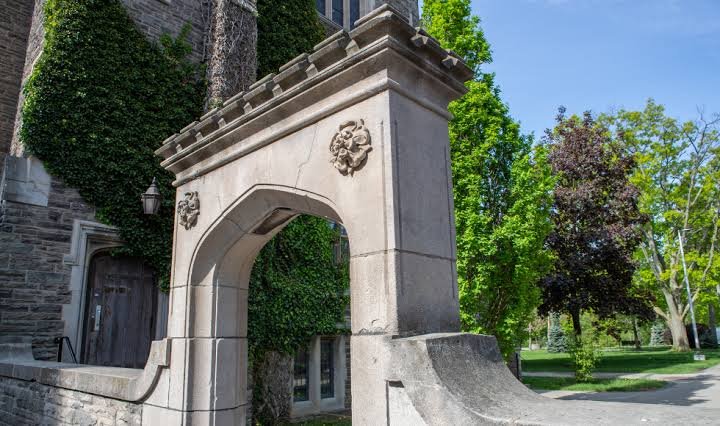
McMaster University is hosting an event examining the future of transnational education, a growing model in which academic institutions deliver degree programs across national borders. The event, organized through McMaster Global, aims to bring together educators, administrators, and policy experts to discuss the evolving landscape of cross-border higher education.
Transnational education refers to programs where students in one country earn credentials from an institution based in another country, often through partnerships between universities, branch campuses, or online delivery. The model has expanded significantly over the past two decades as universities seek international reach and students look for accessible pathways to foreign qualifications.
What the Event Will Cover
While specific details about the event format and participants have not been fully confirmed, the focus is expected to include quality assurance in transnational programs, regulatory frameworks governing cross-border education, and the role of technology in delivering international academic experiences. Discussions are likely to address how institutions can maintain academic standards while operating in diverse regulatory and cultural environments.
The event reflects broader interest in how universities can collaborate internationally while navigating challenges such as credential recognition, program accreditation, and ensuring equitable access to education across different regions.
Growth of Cross-Border Education
Transnational education has become a significant component of the global higher education landscape. Students in countries with limited domestic capacity for certain fields can access programs from established international institutions without relocating. This model has proven particularly popular in regions such as the Middle East, Southeast Asia, and parts of Africa, where demand for higher education often exceeds local supply.
For institutions like McMaster, engagement in transnational education represents both an opportunity to expand their global footprint and a responsibility to ensure that programs delivered abroad meet the same standards as those offered on the home campus. Quality assurance mechanisms, faculty development, and student support systems remain critical concerns as universities scale their international operations.
Implications for International Students and Institutions
The discussion around transnational education is relevant for countries seeking to strengthen their higher education systems through international partnerships. For Pakistani students and institutions, understanding developments in this area matters because Pakistan has seen growth in both outbound students seeking foreign credentials and inbound partnerships where international universities offer programs locally.
Pakistani universities have entered into various transnational arrangements, ranging from dual degree programs to franchised courses delivered by foreign institutions. These partnerships can provide access to international curricula and teaching methods, though they also raise questions about regulatory oversight, cost, and whether such programs genuinely serve local educational needs or primarily benefit the foreign institution.
As the transnational education sector continues to evolve, events like the one at McMaster contribute to shaping best practices and policies that govern how universities operate across borders. For countries like Pakistan, where higher education access remains a challenge and international credentials are highly valued, the outcomes of these discussions could influence future partnership models and regulatory approaches.
The event underscores the increasing complexity of higher education in a globalized world, where the traditional boundaries of campus-based learning are being reshaped by technology, mobility, and international collaboration.