 FirstNarration
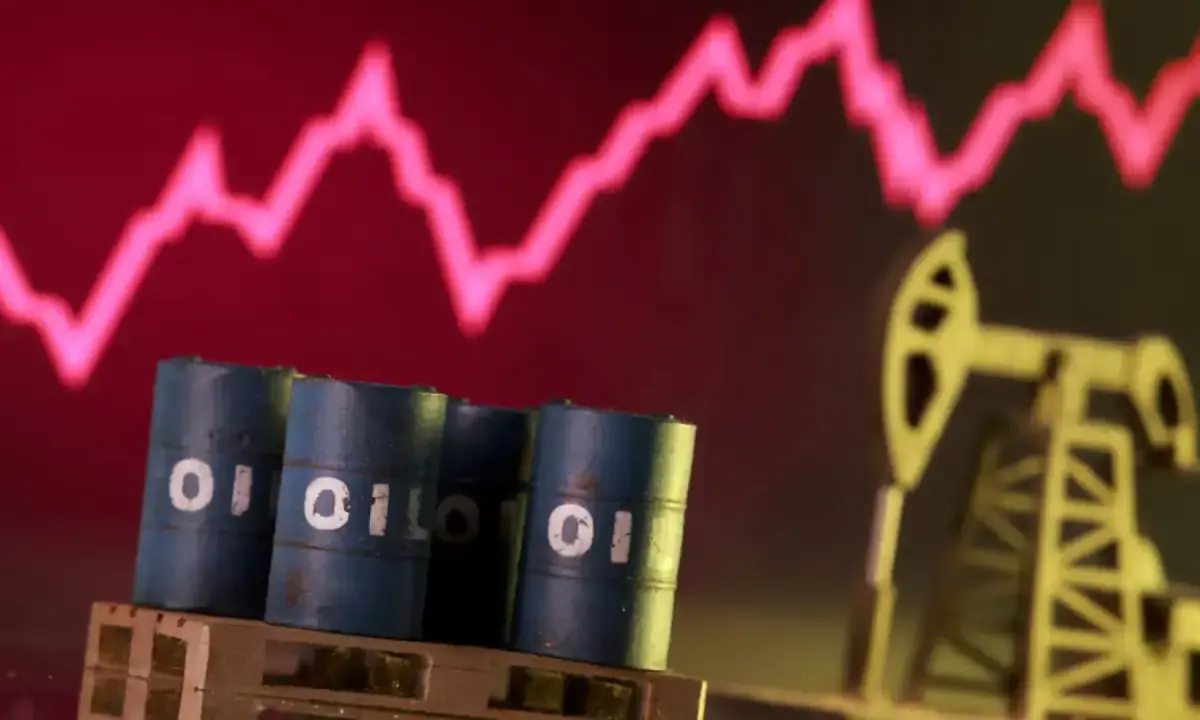
Oil prices remained above $100 a barrel on Thursday as continued disruption around the Strait of Hormuz increased concerns about the movement of crude and other energy supplies. Brent crude was trading around $102.15 a barrel, while U.S. West Texas Intermediate crude reached about $97.50. Brent has climbed sharply from its levels in early August as traders reassess the possibility of prolonged disruption to regional oil supplies.
Why the Strait of Hormuz Matters
The Strait of Hormuz is one of the world's most important energy shipping routes. Before the current disruption, roughly one-fifth of global oil and gas supplies passed through the waterway. Any prolonged reduction in shipping through the strait therefore has consequences far beyond the countries immediately involved. The concern for oil markets is not simply whether production continues. It is whether crude can be transported reliably from producers to buyers. When traders believe supply could become harder to move, prices can rise even before a physical shortage develops.
Oil Has Already Moved Sharply Higher
Brent has risen nearly 30% from lows recorded in early August, according to Reuters. The latest move above $100 has become an important psychological milestone for financial markets because oil prices influence a wide range of economic costs. Higher crude prices can feed into petrol and diesel prices, aviation fuel, shipping costs and industrial production. That creates a second problem: inflation.
Why Consumers Could Feel the Impact
The first impact is usually visible at fuel stations. But the consequences do not stop there. Trucks use diesel. Ships use marine fuel. Airlines require jet fuel. Factories use energy to manufacture goods. Farmers depend on fuel and energy for machinery, irrigation and transportation. When these costs increase, companies have to decide whether to absorb them or pass some of them to customers. That means an oil shock can eventually appear in the price of food, manufactured goods, transportation and services.
Markets Are Already Reacting
Global financial markets have also been affected by the renewed energy shock. European and Asian shares moved lower on Thursday while oil prices climbed, as investors considered the possibility that higher energy costs could keep inflation elevated. The concern is particularly important for central banks. If energy prices remain high for an extended period, policymakers may have less room to reduce interest rates. In Europe, markets have been preparing for another increase in interest rates as the energy shock creates fresh inflation concerns.
The Inflation Problem
Oil does not affect inflation in isolation. But energy is an input into a large part of the economy. Higher fuel costs increase transportation expenses. Higher transportation expenses can raise the cost of moving food, raw materials and finished products. Businesses may then face higher operating costs. If those costs are passed to consumers, headline inflation can increase. This creates a difficult situation for central banks because raising interest rates can reduce demand, but it cannot directly increase oil supplies or reopen shipping routes.
What Happens Next?
The direction of oil prices will depend heavily on how long the disruption continues.
If shipping through major routes begins to normalize and supply concerns ease, some of the risk premium could disappear from crude prices. If disruptions become longer or affect additional infrastructure, markets could face a much tighter supply situation. Demand will matter as well. China's crude purchases have recently strengthened, adding another factor for oil traders to watch. For now, the biggest question is not simply whether oil can remain above $100. It is how long it stays there.
A short-lived spike would have a very different economic effect from a prolonged period of expensive crude. For consumers and businesses around the world, that distinction could determine whether the current oil shock remains primarily a market story or develops into a broader inflation problem.