 FirstNarration
Planned talks between Iran and Gulf Arab states over the Strait of Hormuz have been postponed, adding fresh uncertainty to diplomatic efforts aimed at addressing tensions surrounding one of the world's most important energy shipping routes.
The discussions were expected to take place in Oman, but reports indicate that disagreements among the parties and the wider regional security situation prevented the meeting from moving forward as planned.
The postponement comes at a particularly sensitive moment for global energy markets, with oil prices remaining elevated amid concerns about shipping through the Strait of Hormuz and continuing instability in the Middle East.
The Strait of Hormuz is a strategically important maritime passage connecting the Persian Gulf with the Gulf of Oman and the Arabian Sea. A significant volume of global oil and energy exports passes through the route, making developments surrounding the strait important not only for Gulf countries but also for energy-importing economies around the world.
Expectations for Oman Talks Fade
Iranian President Masoud Pezeshkian had previously indicated that foreign ministers from Arab countries would meet in Muscat to discuss an agreement involving Oman and Iran concerning the Strait of Hormuz.
However, expectations for an immediate agreement had already begun to decline before the planned meeting.
An Iranian official reportedly said that no signed agreement was expected from the Oman discussions and described the proposed gathering as a forum for talks rather than an event expected to produce a finalized deal.
Bahrain had also indicated that it would not participate in the Iran-Gulf negotiations, further complicating efforts to establish a broader regional understanding.
Gulf Concerns Complicate Negotiations
Disagreements over the proposed framework appear to have played a role in the diplomatic difficulties.
According to reporting cited in coverage of the talks, Saudi Arabia proposed amendments to the Oman-Iran framework amid concerns that some of the proposed language could create a new status quo in the Strait of Hormuz that Riyadh and other Gulf Cooperation Council states might find unacceptable.
These concerns demonstrate the difficulty of reaching a regional arrangement when countries have different security, economic and geopolitical priorities.
Any agreement involving navigation through the Strait of Hormuz would have significant consequences for Gulf states whose economies remain closely connected to oil and gas exports.
Oil Markets Remain Under Pressure
The diplomatic setback comes as oil markets remain sensitive to developments around the strait.
Reports surrounding the postponement said oil prices remained above $100 per barrel, while another report placed Brent crude at around $108 as concerns over regional security continued.
Even without a complete disruption to shipping, uncertainty surrounding the Strait of Hormuz can influence energy markets because traders closely monitor the risk of interruptions to crude oil and petroleum-product movements.
Reports also indicate that substantial volumes of oil continue to move through the region despite the security situation.
U.S. Energy Secretary Chris Wright said more than 12 million barrels of crude oil and petroleum products crossed the Strait of Hormuz on Sunday, although independent shipping trackers cited lower observed figures.
The difference illustrates the difficulty of accurately measuring maritime traffic during periods when some vessels may operate with tracking systems switched off or under heightened security arrangements.
Wider Regional Conflict Adds Pressure
The postponement does not appear to be occurring in isolation.
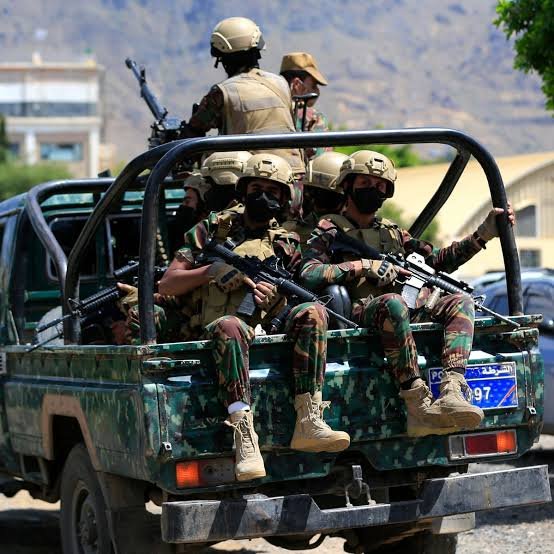
Regional tensions have intensified alongside developments involving Yemen and reported Houthi attacks on Saudi Arabia, creating an increasingly complicated environment for negotiations.
The broader security situation makes cooperation over the Strait of Hormuz particularly important but also more difficult.
Iran, Gulf states and international powers all have significant interests in maintaining maritime traffic through the region, while disagreements remain over security arrangements and the political conditions surrounding any potential agreement.
What Happens Next?
The postponement does not necessarily mean negotiations have ended.
Oman has historically played an important diplomatic role in facilitating discussions involving Iran and other regional and international actors, and further negotiations could still take place if the parties are able to narrow their differences.
For now, however, no finalized regional agreement on the Strait of Hormuz has emerged from the planned discussions.
The next major development will be whether Oman, Iran and Gulf states establish a new date for negotiations and whether disagreements over the proposed framework can be resolved.
Until greater clarity emerges, developments surrounding the Strait of Hormuz are likely to remain closely watched by governments, shipping companies and global energy markets.