FirstNarration
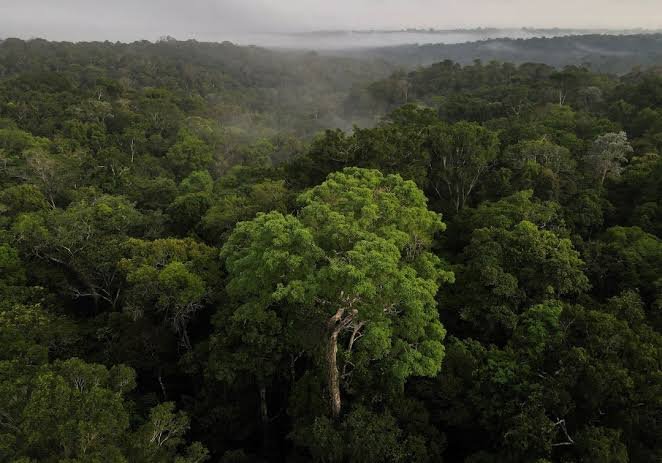
A new study conducted across the Amazon basin has identified which conservation strategies deliver the strongest results for protecting both biodiversity and carbon storage, two critical goals that do not always align perfectly in practice.
The research examined different land management approaches across multiple sites in the Amazon, comparing their effectiveness at preserving species diversity while maintaining the forest's capacity to store carbon. The findings provide evidence that certain conservation methods outperform others when measured against both objectives simultaneously.
What the Research Found
The study assessed various conservation strategies used across Amazonian landscapes, including protected areas, sustainable use zones, and different forms of community management. Researchers measured outcomes for both wildlife populations and carbon retention to determine which approaches delivered the best combined results.
According to the findings, strategies that maintain intact forest structure while allowing limited, carefully managed human activity showed strong performance on both measures. Strictly protected areas with no human intervention performed well for biodiversity, while areas with sustainable forestry practices showed varied results depending on implementation quality.
The research also found that fragmented forests, even when protected on paper, showed reduced effectiveness for both carbon storage and species preservation compared to larger continuous forest blocks.
Why Dual Objectives Matter
Conservation efforts in tropical forests increasingly face pressure to deliver multiple benefits. Protecting biodiversity preserves species that exist nowhere else on Earth, while maintaining carbon storage helps slow climate change by keeping carbon locked in trees and soil rather than released into the atmosphere.
These two goals do not automatically reinforce each other. Some forest areas rich in species may not store maximum carbon, while some high carbon forests may have lower species diversity. Finding strategies that optimize both outcomes has become a priority as funding and political will for conservation remain limited.
The Amazon basin holds roughly 10 percent of all species on Earth and stores an estimated 150 to 200 billion tons of carbon. Decisions about how to protect this landscape therefore carry global consequences.
Implications for Conservation Planning
The study's findings suggest that conservation planners should prioritize maintaining large, connected forest areas rather than creating many small protected patches. Connectivity allows species to move between habitats and helps forests maintain their structural integrity, which supports carbon storage.
The research also indicates that community based conservation, when properly supported and monitored, can achieve meaningful results for both biodiversity and carbon. This matters because large portions of the Amazon are inhabited, and conservation models that exclude local populations entirely face both ethical concerns and practical enforcement challenges.
However, the study makes clear that not all sustainable use approaches deliver equivalent results. The quality of management, the intensity of resource extraction, and the enforcement of agreed limits all significantly affect outcomes.
Broader Context
Deforestation in the Amazon has accelerated in recent years, driven by agriculture expansion, logging, mining, and infrastructure development. Scientists warn that continued forest loss could push parts of the Amazon past a tipping point where the ecosystem can no longer sustain itself as rainforest, transforming instead into degraded savanna.
This research arrives as governments and international organizations negotiate how to allocate conservation funding and structure protection efforts. Understanding which strategies deliver measurable results for both biodiversity and climate goals helps direct limited resources toward approaches with demonstrated effectiveness.
The findings also contribute to ongoing debates about whether conservation should focus on preventing any human activity in protected areas or whether managed use can be compatible with conservation objectives when done carefully.