FirstNarration

A strengthening El Niño weather pattern is raising concerns about drought conditions across large parts of Asia, with meteorologists warning that the phenomenon could disrupt agricultural production and contribute to higher food prices globally. The development comes as several Asian nations are already experiencing below-average rainfall during critical growing seasons.
What El Niño means for Asian weather
El Niño is a naturally occurring climate pattern characterised by warmer than average sea surface temperatures in the central and eastern Pacific Ocean. This warming disrupts normal atmospheric circulation, leading to significant changes in rainfall and temperature patterns across the globe. For much of Asia, El Niño typically brings reduced rainfall, particularly affecting monsoon patterns that are vital for agriculture in countries including India, Indonesia, Thailand, and the Philippines.
The current El Niño event is showing signs of intensification, with climate monitoring systems indicating that the pattern could persist through the coming months. This timing is particularly concerning because it overlaps with key planting and growing periods for major crops including rice, wheat, and various vegetables that form the backbone of both regional food security and global export markets.
Agricultural impacts and food supply concerns
Asia produces more than 90 percent of the world's rice and is a major supplier of other staple crops. Reduced rainfall and higher temperatures associated with El Niño can stress crops, reduce yields, and force farmers to rely more heavily on irrigation where water supplies may already be constrained. Countries heavily dependent on rain-fed agriculture face the most immediate risks.
Indonesia, one of the world's largest rice consumers, has already reported lower than normal rainfall in several agricultural regions. India, another major producer, is monitoring the situation closely as any significant disruption to its monsoon season could affect both domestic supply and export availability. Thailand and Vietnam, which together account for a substantial share of global rice exports, are similarly vulnerable to prolonged dry conditions.
Beyond rice, other crops including palm oil, sugar, coffee, and cocoa, all of which have significant production bases in Southeast Asia, could see reduced output if drought conditions materialise as expected. This would compound existing pressures on global food supply chains that are still adjusting to disruptions from other factors including geopolitical tensions and input cost increases.
Global food price implications
Any substantial reduction in Asian agricultural output would likely translate into higher food prices internationally. Rice, in particular, is a staple for more than half the world's population, and even modest supply disruptions can trigger price volatility in global markets. Countries that depend on imports from Asia would face higher costs, potentially affecting food security in lower income regions.
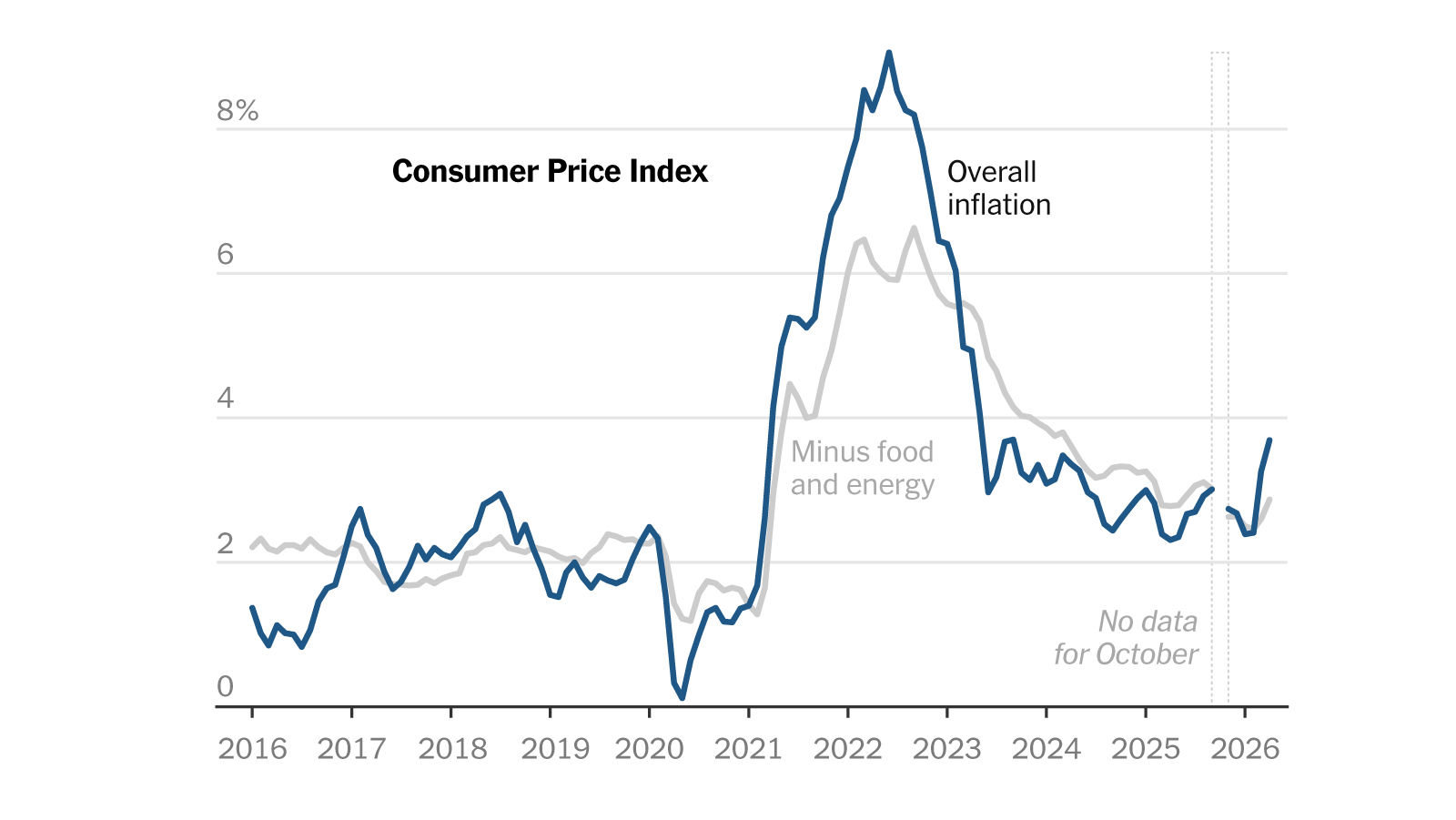
Food price inflation has been a persistent concern in recent years, and additional pressure from weather related supply constraints could make it more difficult for governments and central banks to manage broader inflation. The timing is especially challenging given that many economies are still working to stabilise prices after previous spikes.
Pakistan's exposure to regional climate shifts
Pakistan's agricultural sector, while primarily influenced by its own monsoon patterns and river systems, is not entirely insulated from regional climate shifts. The country imports certain food commodities when domestic production falls short, and global price increases driven by supply problems elsewhere would affect import costs. Rice, pulses, and edible oils are among the items where Pakistan's market prices can be influenced by international trends.
More directly, El Niño patterns have historically been associated with variable monsoon performance in South Asia, though the relationship is complex and not uniform across all regions or all El Niño events. Pakistan experienced devastating floods in 2022, partly linked to La Niña conditions, the opposite phase of the climate cycle. The shift to El Niño introduces different risks, including the possibility of reduced rainfall in some areas and altered timing of precipitation that could affect crop planning.
Water availability remains a critical concern for Pakistan, where agriculture depends heavily on irrigation from river systems fed by Himalayan snowmelt and monsoon rains. Any significant deviation from normal precipitation patterns, whether too much or too little, creates challenges for farm output and food prices domestically.
Monitoring and response
Climate agencies across Asia are closely tracking the El Niño development, issuing advisories to help governments and farmers prepare for potential impacts. Some countries are reviewing water management strategies, adjusting crop planting schedules where possible, and considering measures to ensure adequate food reserves.
The full extent of the agricultural impact will depend on how strongly the El Niño pattern develops and how long it persists. Weather forecasting remains uncertain beyond a few months, but the current trajectory suggests that drought risk will remain elevated across significant parts of Asia through the remainder of the year.
For global food markets, the situation adds another layer of uncertainty at a time when supply chains are still adjusting to multiple pressures. Governments, traders, and international organisations are watching developments closely, aware that weather disruptions in Asia's agricultural heartlands carry consequences far beyond the region itself.