FirstNarration
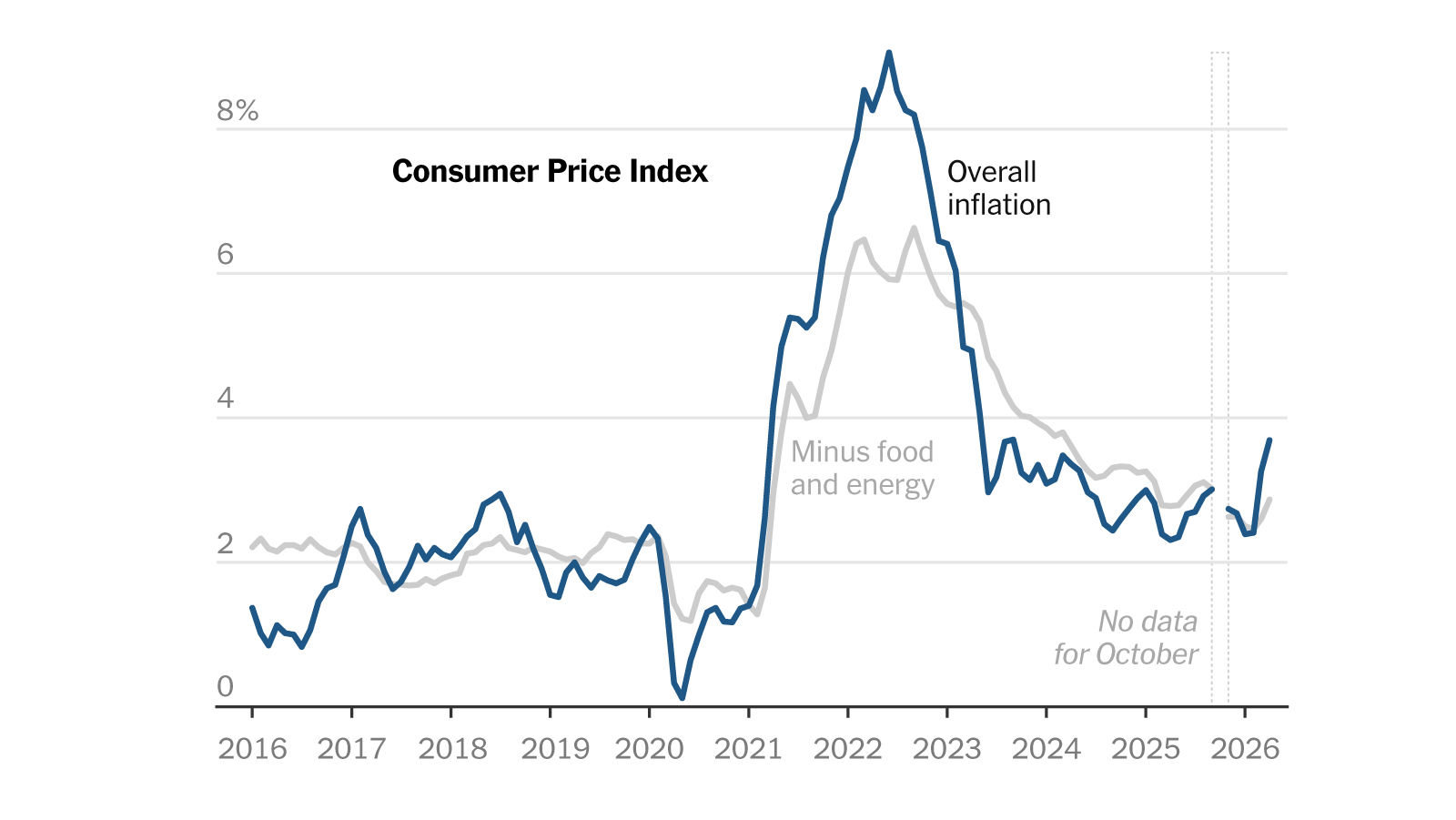
Pakistan's short-term inflation has surged in recent weeks, driven primarily by rising costs for essential food items and energy products. The increase marks a sharp uptick in consumer price pressures after a period of relative stability, putting renewed strain on household budgets across the country.
The latest figures show that week-on-week inflation has accelerated, with food staples and fuel contributing most significantly to the overall increase. This short-term measure, which tracks price movements over a rolling seven-day period, is more sensitive to immediate market fluctuations than monthly or annual inflation readings.
What drove the increase
Food prices have been the primary driver of the recent surge. Essential items including vegetables, pulses, and cooking oil have become more expensive in recent weeks, reflecting both seasonal supply constraints and higher input costs for farmers and traders. Energy prices have also contributed, with petroleum products and electricity tariffs adding to household expenses.
The timing of the increase is significant. It comes at a point when policymakers had been pointing to signs of cooling inflation and discussing the possibility of further monetary easing. The sudden uptick complicates that picture, though it remains unclear whether this represents a temporary spike or the beginning of a sustained upward trend.
Context and recent trends
Pakistan has been working to bring inflation under control after it reached historically high levels in 2023. The central bank raised interest rates aggressively to combat price pressures, and annual inflation had been declining steadily in recent months. However, short-term volatility has remained a persistent challenge, particularly in food markets where supply chains are vulnerable to weather, logistics disruptions, and import costs.
Energy pricing continues to be a sensitive issue. Pakistan's power sector operates under a complex tariff structure that includes periodic adjustments to reflect fuel costs and capacity payments. These adjustments, when they occur, flow directly into consumer electricity bills and indirectly into the cost of goods and services across the economy.
Implications for households and policy
The immediate impact falls hardest on lower and middle-income households, where food and energy make up a larger share of total spending. Even temporary price increases can force difficult choices about consumption and savings, particularly when incomes are not rising at the same pace.
For policymakers, the challenge is distinguishing between short-term volatility and a genuine shift in the inflation trajectory. The State Bank of Pakistan has already cut interest rates twice this fiscal year, citing declining inflation and the need to support economic growth. A sustained uptick in prices could complicate further rate cuts, though a temporary spike driven by specific commodities would be less concerning.
The government faces pressure on multiple fronts. It must balance the need to control inflation with commitments to reduce energy subsidies and improve fiscal discipline under its International Monetary Fund programme. At the same time, rising prices create political pressure to intervene in markets or delay planned tariff adjustments.
What happens next will depend largely on whether food and energy prices stabilize or continue climbing. If the increase proves temporary, driven by seasonal factors or one-off supply issues, it may not alter the broader inflation outlook. If it persists, it could signal renewed price pressures that require a policy response.