 FirstNarration
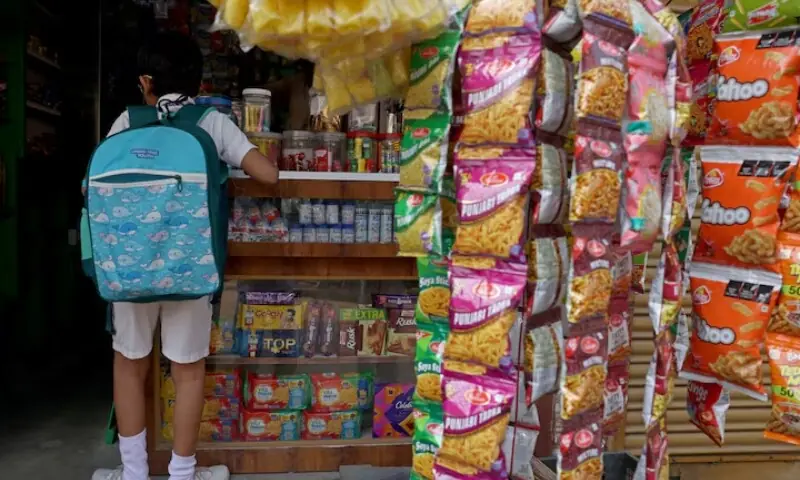
India is examining a proposal to ban the sale of junk food within a certain radius of schools, a move that would mark one of the country's most significant public health interventions targeting childhood nutrition. The measure is being considered as authorities look for ways to address rising rates of childhood obesity and diet related health problems.
If implemented, the ban would prohibit shops, street vendors, and other food outlets from selling items classified as high in fat, salt, or sugar within a defined distance from school premises. The exact radius under consideration has not been confirmed, though similar policies in other countries have typically ranged from 100 to 500 metres.
What the Proposed Ban Would Cover
The policy would target foods commonly consumed by children during and after school hours, including packaged snacks, sugary drinks, fried items, and processed foods with low nutritional value. Schools themselves would also face restrictions on what they can sell in canteens and tuck shops.
Indian health authorities have been examining the regulatory frameworks used in countries that have already implemented similar measures. Several nations, including Chile, South Korea, and parts of the United Kingdom, have established zones around schools where the sale of certain foods is either banned or heavily restricted.
The proposal is still under review and would require coordination between central health authorities, state governments, and local municipal bodies to enforce effectively. No timeline for implementation has been announced.
Rising Childhood Obesity in India
The move comes against a backdrop of growing concern about childhood obesity rates in India. While undernutrition remains a significant problem in many parts of the country, urban areas in particular have seen a sharp increase in overweight and obese children over the past two decades.
Studies have shown that changing dietary patterns, increased consumption of processed foods, and reduced physical activity are contributing to the trend. School age children are particularly vulnerable because they often have access to pocket money and are exposed to heavy marketing of unhealthy foods.
Public health experts have long argued that the food environment around schools plays a critical role in shaping children's eating habits. When cheap, heavily marketed junk food is readily available just outside school gates, it becomes difficult for families and educators to promote healthier choices.
Implementation Challenges
Enforcing a ban of this nature would present considerable practical challenges. India's food retail landscape is highly fragmented, with millions of small vendors and informal sellers operating across the country. Monitoring compliance and ensuring consistent enforcement across different states and municipalities would require substantial administrative capacity.
There are also economic considerations. Street vendors and small shop owners who depend on sales to schoolchildren for a significant portion of their income would be directly affected. Any policy would need to consider the livelihoods of these vendors and potentially provide support for transitioning to selling healthier alternatives.
Previous attempts to regulate food sold in and around schools have met with mixed success. Several Indian states have issued guidelines restricting junk food in school canteens, but enforcement has been inconsistent and compliance remains patchy.
Broader Nutrition Policy Context
The proposed ban would fit within a wider set of nutrition related policies that Indian authorities have been developing. These include front of pack labelling requirements for packaged foods, restrictions on advertising unhealthy foods to children, and efforts to improve the nutritional quality of meals provided under the government's midday meal scheme for schoolchildren.
India's food regulator has already introduced regulations requiring packaged foods high in fat, salt, or sugar to carry warning labels. The proposed school zone ban would represent a more direct intervention in the retail environment itself.
Whether the measure moves forward will depend on political will, the ability to design an enforceable framework, and the capacity to balance public health objectives with economic and practical realities. The outcome could set an important precedent for how India approaches the regulation of unhealthy foods in public spaces.