FirstNarration
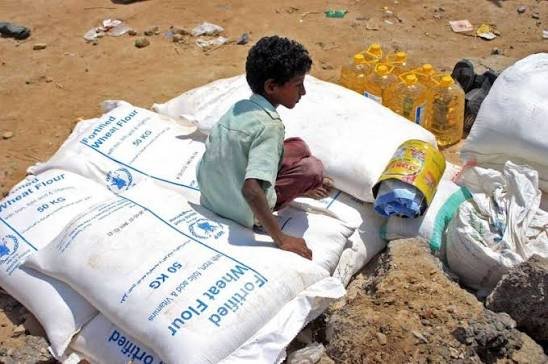
The United Nations World Food Programme has announced an expansion of its humanitarian operations in Yemen after recent fighting displaced 125,000 people. The escalation marks a significant setback in a country already experiencing one of the world's most severe humanitarian crises.
The displacement figure represents people forced to leave their homes due to renewed hostilities, adding to Yemen's existing population of displaced civilians. The WFP is now working to provide emergency food assistance to those newly affected by the violence.
Scale of the Humanitarian Emergency
Yemen has faced nearly a decade of conflict that has devastated its economy, infrastructure, and food systems. The country's humanitarian situation was already critical before this latest displacement, with millions dependent on international aid for survival.
The World Food Programme operates as the primary UN agency addressing hunger and food insecurity in conflict zones. Its expanded response in Yemen will focus on reaching newly displaced populations who have lost access to regular food sources and livelihoods.
The fighting that triggered this displacement comes at a time when humanitarian agencies were already struggling to maintain operations amid funding shortfalls and access restrictions. Yemen's food security situation has deteriorated significantly throughout the conflict, with agricultural production disrupted and import systems severely constrained.
Challenges Facing Aid Operations
Humanitarian organizations working in Yemen face multiple operational challenges. Active conflict zones restrict access to affected populations, while damaged infrastructure complicates the delivery of supplies. Aid agencies must negotiate access with various parties to the conflict, a process that can delay assistance to those in urgent need.
The displacement of 125,000 people creates immediate needs for food, water, shelter, and medical care. Displaced populations typically arrive in host communities or camps with minimal possessions and no means of supporting themselves. This places additional strain on areas that may already be struggling with resource scarcity.
The WFP's scaled up response will need to address both immediate emergency needs and longer term food security for displaced families. This typically involves distributing ready to eat rations for immediate consumption alongside longer term food assistance programs.
Broader Regional Implications
Yemen's ongoing crisis affects regional stability and has created one of the world's largest humanitarian emergencies. The country's location on key shipping routes means its instability has wider economic and security implications for the region.
International humanitarian funding for Yemen has fluctuated over the years of conflict, with donor fatigue and competing global crises affecting the resources available for response operations. The WFP and other agencies regularly face gaps between the funding they receive and the scale of need they are attempting to address.
The displacement of another 125,000 people demonstrates that Yemen's conflict remains active and volatile despite periodic attempts at negotiation and ceasefire. Each new wave of displacement compounds the existing humanitarian burden and makes recovery more difficult once fighting eventually subsides.
For organizations like the WFP, scaling up operations requires not just additional food supplies but also the logistics capacity to deliver aid in insecure environments, the staff to manage distribution, and the monitoring systems to ensure assistance reaches intended recipients. The agency's announcement signals its commitment to meeting this increased need, though the sustainability of expanded operations will depend on continued international support and funding.