FirstNarration
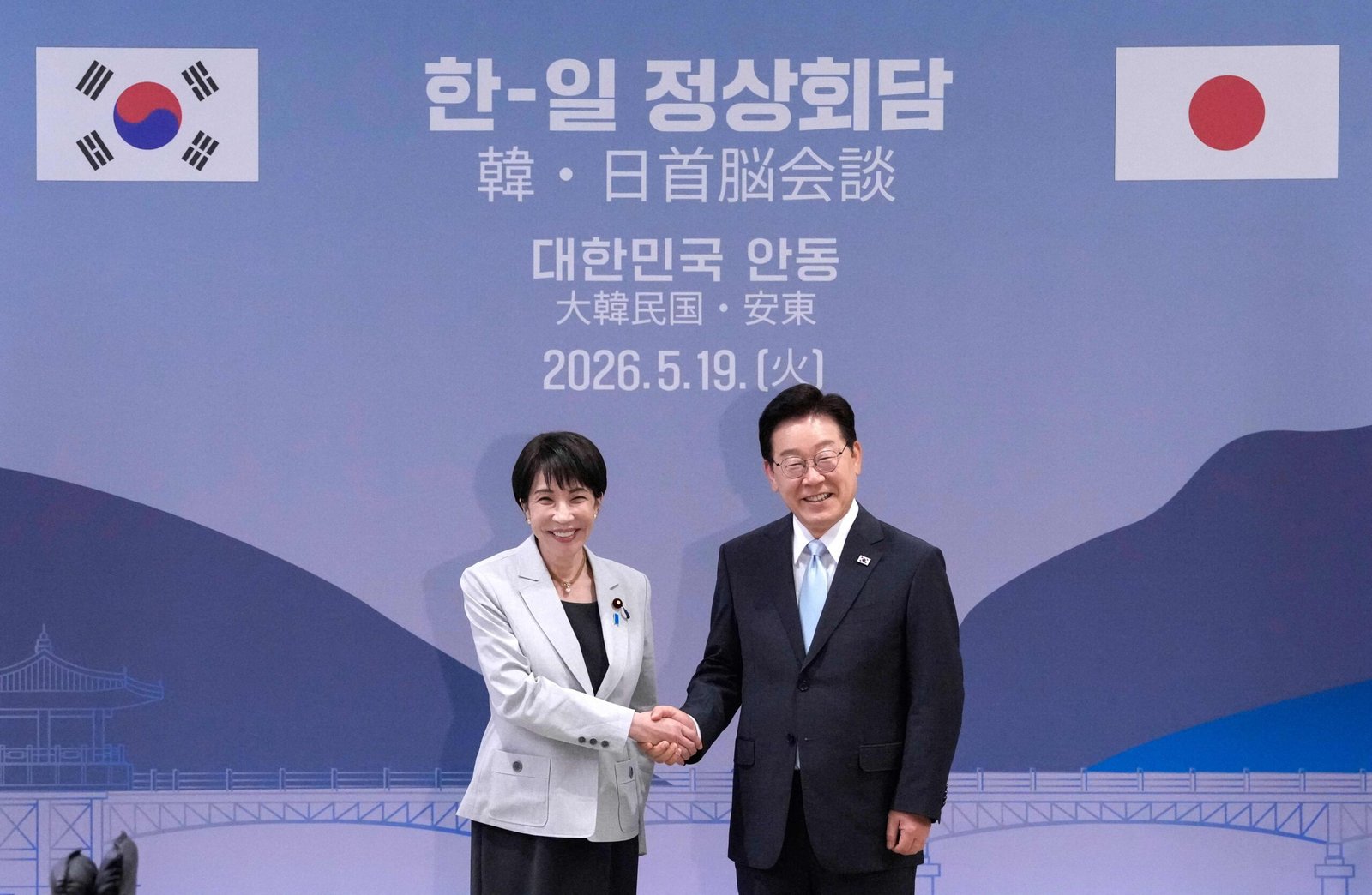
South Korea and the International Energy Agency have agreed to strengthen their partnership on energy security issues affecting Asia, marking a deeper commitment to regional stability in energy supplies and the transition toward cleaner energy systems.
The agreement reflects growing recognition that energy security in Asia requires coordinated responses, particularly as the region faces supply uncertainties, price volatility, and the dual challenge of meeting rising energy demand while reducing carbon emissions.
What the Agreement Covers
The collaboration between South Korea and the IEA will focus on improving energy resilience across Asian markets. This includes sharing policy expertise, coordinating responses to supply disruptions, and supporting the development of clean energy infrastructure.
South Korea, as one of the world's largest energy importers, has a direct interest in stable and diversified energy supplies. The country relies heavily on imports of oil, natural gas, and coal, making it vulnerable to global market shifts and geopolitical tensions that affect supply routes.
The IEA, which was established to coordinate energy policies among industrialized nations, has expanded its engagement with Asian economies in recent years. The agency now works closely with several countries in the region to address energy security challenges that differ significantly from those faced by its traditional member states in Europe and North America.
Why Asia's Energy Security Matters
Asia accounts for a significant share of global energy consumption, and that share is expected to grow as economies expand and populations increase. The region is home to some of the world's largest energy importers, including China, India, Japan, and South Korea.
Energy security in Asia is complicated by heavy reliance on imports, concentrated supply routes such as the Strait of Malacca, and limited domestic energy resources in many countries. Disruptions in supply, whether from geopolitical events, natural disasters, or market shocks, can have immediate and severe economic consequences.
At the same time, Asian countries are under pressure to reduce carbon emissions and shift toward renewable energy sources. Balancing energy security with climate goals requires investment in new infrastructure, policy coordination, and international cooperation.
South Korea's Energy Position
South Korea imports nearly all of its oil and natural gas. The country has invested heavily in liquefied natural gas infrastructure and has diversified its supplier base to reduce dependence on any single source.
The government has also committed to increasing the share of renewable energy in its energy mix and has set targets for reducing greenhouse gas emissions. However, the transition remains complex, as South Korea's industrial economy requires stable and affordable energy supplies.
Closer ties with the IEA provide South Korea with access to global energy data, policy analysis, and emergency response mechanisms. The IEA maintains strategic oil reserves and coordinates releases during supply crises, a function that has become more relevant as global energy markets face increased uncertainty.
Implications for Regional Energy Policy
The agreement signals that energy security is being treated as a regional issue requiring collective action rather than isolated national policies. Other Asian countries face similar challenges, and cooperation through international organizations like the IEA can help coordinate responses and share best practices.
For countries heavily dependent on energy imports, including Pakistan, developments in regional energy cooperation are worth monitoring. While Pakistan is not an IEA member, the broader trends in Asian energy markets, including supply diversification, infrastructure development, and clean energy financing, affect energy prices and availability across the region.
Pakistan imports a substantial portion of its oil and gas, and energy security remains a persistent economic and policy challenge. Regional cooperation that stabilizes supply chains or improves access to cleaner energy technologies could indirectly benefit countries facing similar import dependencies.
The South Korea-IEA partnership is part of a wider pattern of Asian countries seeking stronger institutional ties to address energy challenges that are increasingly regional in scope. How effectively these partnerships translate into practical outcomes will depend on sustained policy coordination and investment in energy infrastructure.