 FirstNarration
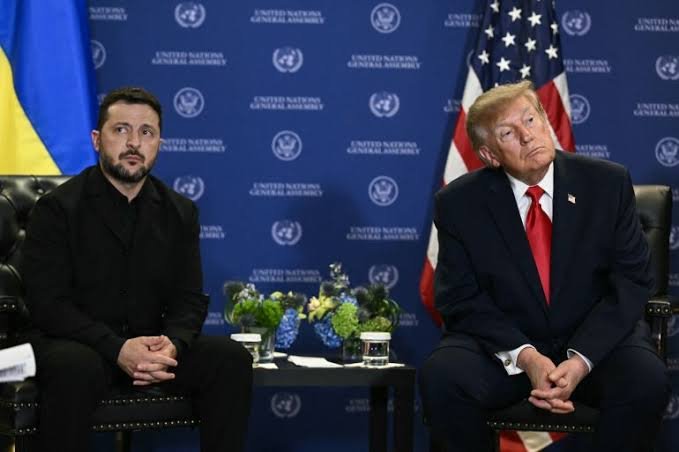
Ukrainian President Volodymyr Zelensky has signalled his country's readiness to enter into an energy truce with Russia, following a meeting with US President Donald Trump. The proposal represents a potential shift in how the nearly three-year conflict might be managed, focusing on civilian infrastructure rather than broader military operations.
The energy dimension of the war has become increasingly critical as both nations have targeted each other's power generation and distribution networks, leaving millions of civilians without reliable electricity and heating during harsh winter months.
What the Energy Truce Would Mean
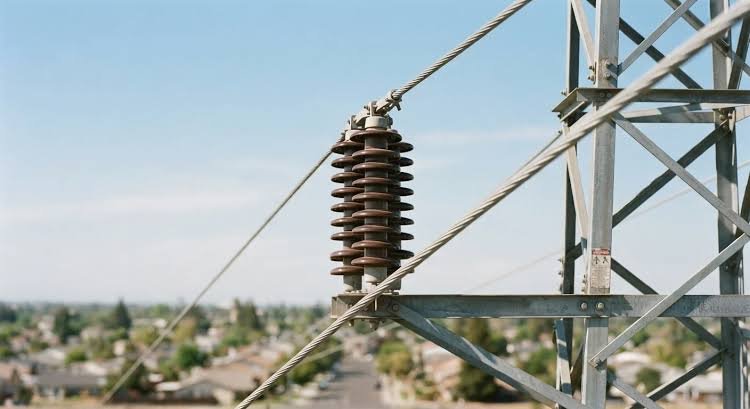
An energy truce would involve both sides agreeing to halt attacks on electrical infrastructure, power plants, and energy distribution systems. Since the conflict escalated in February 2022, Ukraine's energy grid has suffered extensive damage from Russian missile and drone strikes, while Ukrainian forces have also targeted Russian energy facilities in recent months.
The specific terms of such an arrangement have not been publicly detailed, and it remains unclear whether this would be a standalone agreement or part of broader ceasefire negotiations. What is evident is that Zelensky's statement marks a willingness to explore partial agreements even as fighting continues elsewhere.
The Trump Meeting and Its Context
The meeting between Zelensky and Trump comes as the former US president has repeatedly stated his intention to broker a rapid end to the Ukraine conflict if he returns to office. Trump has previously criticised the scale of American military and financial support to Ukraine and suggested he could negotiate a settlement quickly, though he has provided few specifics on how such negotiations would proceed.
Zelensky's public mention of the energy truce proposal following this meeting suggests he is positioning Ukraine for potential negotiations while attempting to secure commitments that protect Ukrainian civilians and infrastructure. The timing also reflects the reality that Ukraine's energy system remains vulnerable heading into another winter of war.
Why Energy Infrastructure Matters
Control and protection of energy infrastructure has become a defining feature of the conflict. Russia's systematic targeting of Ukrainian power stations, substations, and heating facilities has been widely documented, with strikes intensifying during winter months when the impact on civilian populations is greatest.
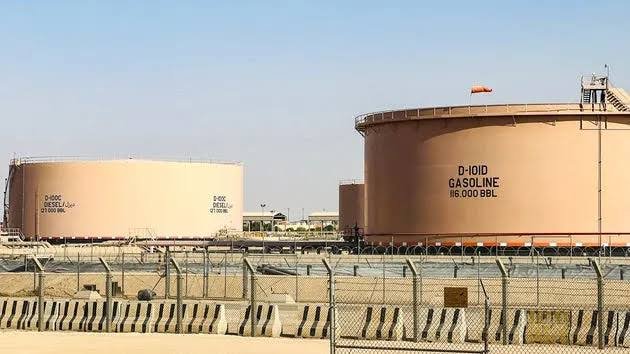
Ukraine has responded by striking Russian oil refineries and energy facilities, arguing that these targets support the Russian military effort. The mutual targeting has created a cycle where both civilian populations face potential energy crises, though the scale of damage to Ukrainian infrastructure has been significantly larger.
A truce limited to energy infrastructure would not end the broader conflict but could provide relief to millions of people on both sides who depend on functioning power and heating systems. It would also represent a test of whether partial agreements are possible even as military operations continue.
Uncertain Path Forward
Whether Russia would accept such a proposal remains unknown. Moscow has not publicly responded to Zelensky's statement, and previous attempts at limited agreements during the conflict have largely failed to materialise or hold.
The involvement of Trump, who is not currently in office, adds another layer of complexity. While he can facilitate discussions and signal future US policy directions, he cannot negotiate binding agreements on behalf of the United States at present.
For Ukraine, the proposal reflects a pragmatic recognition that protecting civilian infrastructure may require separate diplomatic tracks from the broader questions of territory and sovereignty that have proven impossible to resolve through negotiation so far.