 FirstNarration
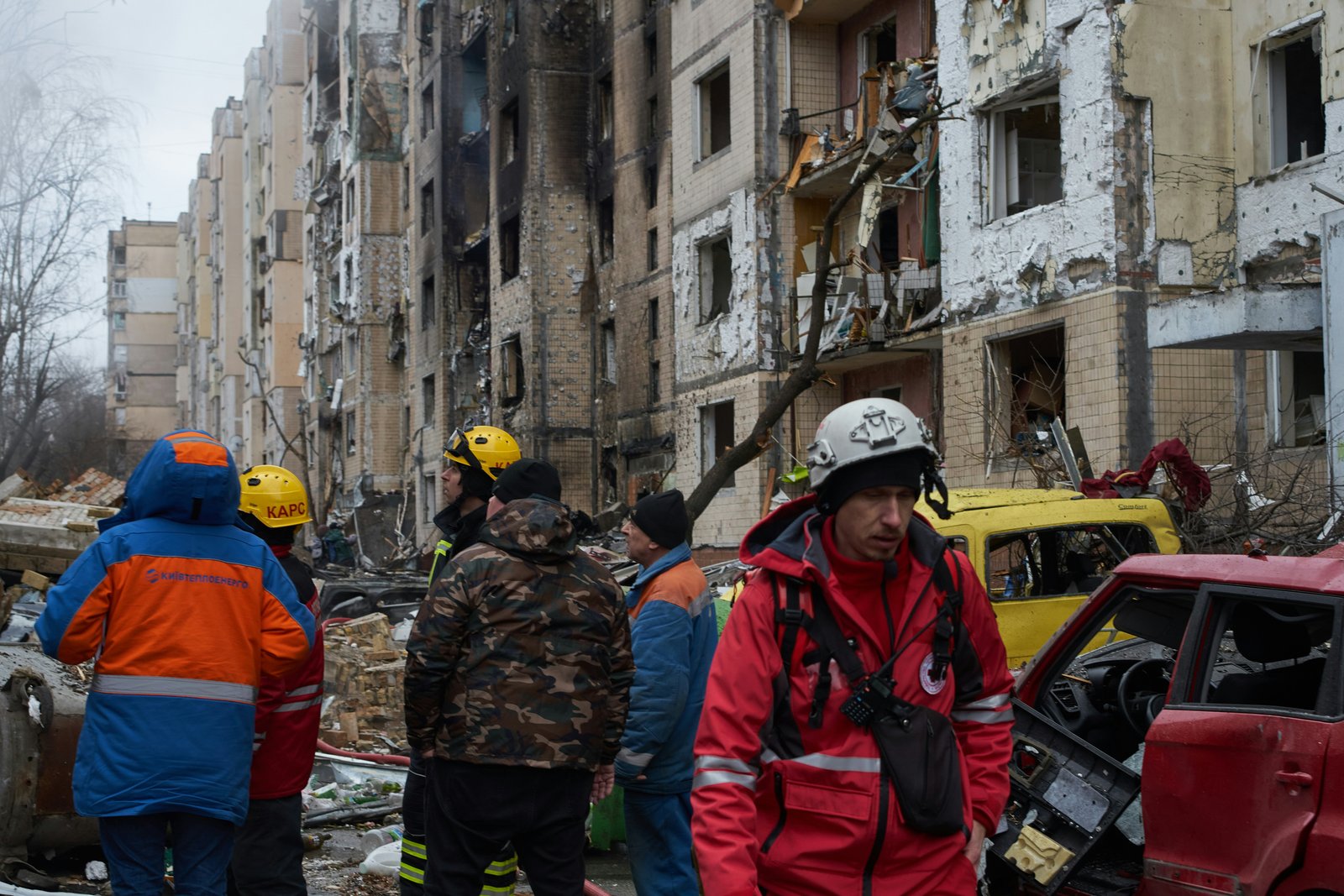
Russia and Ukraine have launched fresh attacks on each other's energy infrastructure, undermining recent claims that a ceasefire agreement was within reach. The strikes mark a continuation of the pattern that has defined much of the conflict, with both sides targeting critical power facilities to disrupt civilian and military operations.
The timing is particularly notable given recent statements suggesting diplomatic progress. The renewed attacks indicate that despite public claims about negotiations, the military reality on the ground remains unchanged, with both sides continuing to pursue strategic objectives through force.
What Happened in the Latest Strikes
Russia carried out attacks targeting Ukrainian energy facilities, while Ukraine responded with strikes on Russian energy infrastructure. The specific scale and impact of the latest attacks are still being assessed, but both countries have confirmed that energy sites were hit.
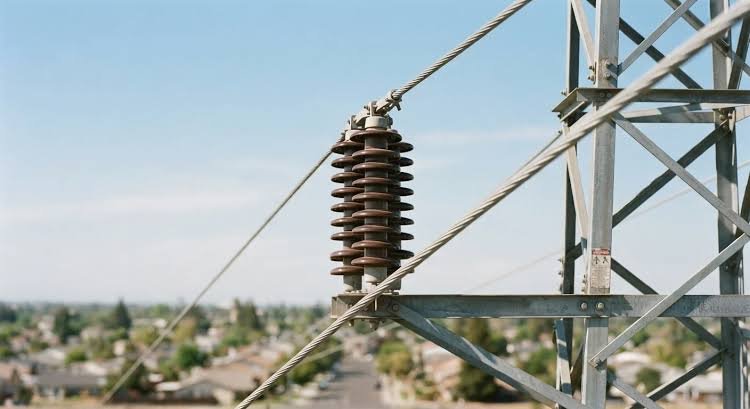
Energy infrastructure has been a consistent target throughout the conflict. Power stations, electrical grids, and fuel storage facilities have all come under repeated attack, particularly as winter conditions increase the strategic value of disrupting heating and electricity supplies.
The attacks come at a time when both countries are dealing with existing damage to their energy systems from previous strikes. Ukraine has faced widespread power outages throughout the war, while Russian facilities in border regions have also been targeted in recent months.
The Ceasefire Claims and Diplomatic Context
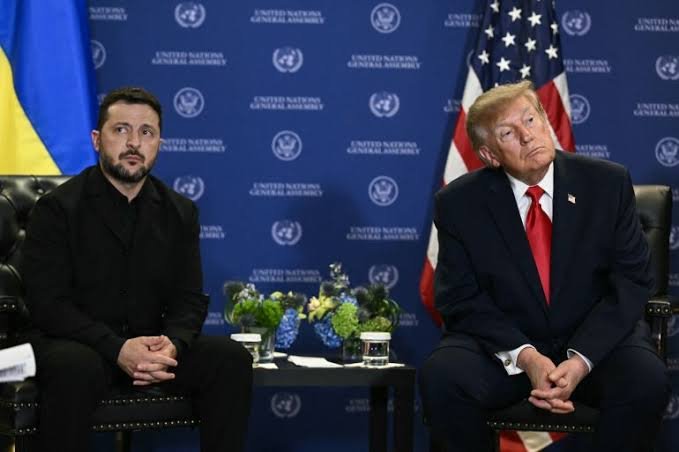
Recent statements from various parties had suggested that progress was being made toward some form of ceasefire or negotiated pause in hostilities. These claims, however, have not been matched by any visible reduction in military activity.
The gap between diplomatic rhetoric and military action highlights the complexity of ending the conflict. While public statements may indicate willingness to negotiate, both sides continue to pursue what they view as necessary military objectives, whether to strengthen their negotiating position or achieve specific strategic goals.
Previous ceasefire discussions have similarly failed to produce lasting results. The pattern suggests that neither side currently sees sufficient advantage in a genuine pause, despite the humanitarian and economic costs of continued fighting.
Why Energy Infrastructure Remains a Target
Energy facilities serve multiple strategic purposes in modern warfare. Disrupting power supplies affects civilian morale, hampers industrial production, and complicates military logistics. In winter, the impact is particularly severe, as heating systems and basic services depend on reliable electricity.
For Ukraine, maintaining energy supplies is critical to sustaining both civilian life and military operations. For Russia, targeting these systems is seen as a way to pressure Ukraine's government and population while degrading its capacity to continue fighting.
The attacks also carry economic implications beyond the immediate conflict. Damage to energy infrastructure requires costly repairs and reconstruction, adding to the long term financial burden both countries will face regardless of how or when the war ends.
Broader Implications
The continued strikes complicate international efforts to broker any form of negotiated settlement. When military operations continue unabated despite diplomatic discussions, it becomes harder to establish the trust necessary for meaningful negotiations.
The situation also affects global energy markets, though the immediate impact of these specific strikes remains to be fully assessed. Previous large scale attacks on energy infrastructure have contributed to volatility in oil and gas prices, with ripple effects across multiple economies.
For countries monitoring the conflict, the latest developments serve as a reminder that public statements about progress should not be confused with actual changes in military strategy or intent. Until concrete actions match diplomatic claims, the pattern of attack and counterattack is likely to continue.