FirstNarration
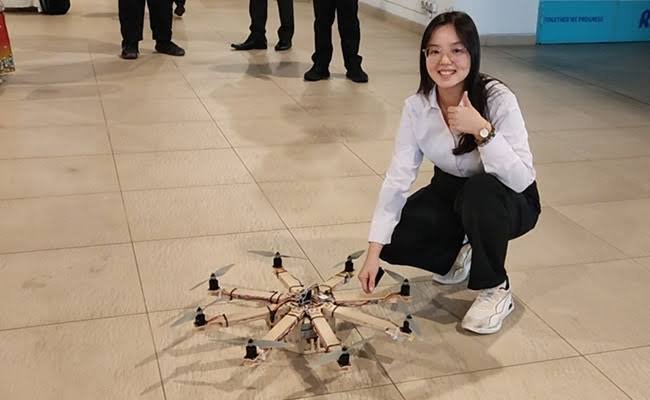
Malaysia's qualifications authority has called for the introduction of structured drone training programmes at higher education institutions, recognising the growing demand for skilled operators as unmanned aviation technology becomes more widespread across commercial and industrial sectors.
The Malaysian Qualifications Agency, which oversees academic standards and accreditation in the country, made the call as part of efforts to formalise training in a sector that has largely relied on informal instruction and on-the-job learning. The move reflects increasing recognition that drone operations require standardised skills, particularly as applications expand beyond hobbyist use into areas such as agriculture, infrastructure inspection, logistics, and emergency response.
Why Formal Training Matters
Until now, much of Malaysia's drone training has taken place outside formal educational structures, with commercial operators offering short courses and private certification. While such programmes provide basic operational skills, they typically lack the academic depth, regulatory grounding, and technical foundation that structured university level programmes can offer.
The qualifications agency's position suggests that as drone technology becomes more sophisticated and its applications more critical, the sector needs graduates with a broader understanding of aviation principles, safety protocols, legal frameworks, and technical maintenance, not just the ability to fly an aircraft.
Formalising drone education within higher institutions would also create clearer career pathways for students interested in the field, offering recognised qualifications that employers can rely on when hiring for roles that involve unmanned systems.
Expanding Uses Drive Demand
The push for structured training comes as drone use in Malaysia has expanded significantly in recent years. Agricultural monitoring, aerial surveying for construction and land management, delivery trials, and inspection of power lines, pipelines, and telecommunications infrastructure have all created new demand for trained operators.
Emergency services have also begun deploying drones for search and rescue operations, disaster assessment, and crowd monitoring, while media and creative industries continue to use the technology for filming and photography.
Each of these applications requires not only piloting skills but also knowledge of data capture, flight planning, risk assessment, equipment maintenance, and compliance with aviation regulations. Universities offering dedicated programmes could integrate these elements into a coherent curriculum, producing graduates equipped for the range of roles the industry now requires.
Regulatory And Safety Considerations
Malaysia's Civil Aviation Authority has established regulations governing drone operations, including registration requirements, airspace restrictions, and operator licensing. However, enforcement and compliance remain ongoing challenges, particularly as the number of drones in use continues to grow.
Structured training at accredited institutions would help ensure that new operators enter the field with a clear understanding of these regulations, reducing the risk of unsafe operations and airspace violations. It would also provide a foundation for more advanced certifications as the regulatory framework evolves.
The qualifications agency's call does not specify which institutions should offer drone programmes or what form the curriculum should take, but it signals official support for universities and technical colleges that choose to develop such offerings.
Broader Regional Trend
Malaysia is not alone in recognising the need for formalised drone education. Several countries in the region have begun integrating unmanned aviation into technical and engineering programmes, reflecting the technology's growing economic importance.
As drone applications become more complex, involving autonomous flight, artificial intelligence, and integration with other digital systems, the skills required are shifting from basic piloting toward technical expertise in software, sensors, data analysis, and systems integration. Universities are better positioned than informal training providers to deliver this broader skill set.
Whether Malaysia's higher education institutions will respond to the call with new programmes remains to be seen, but the qualifications agency's public position suggests that official recognition and support for such initiatives is now in place.