 FirstNarration
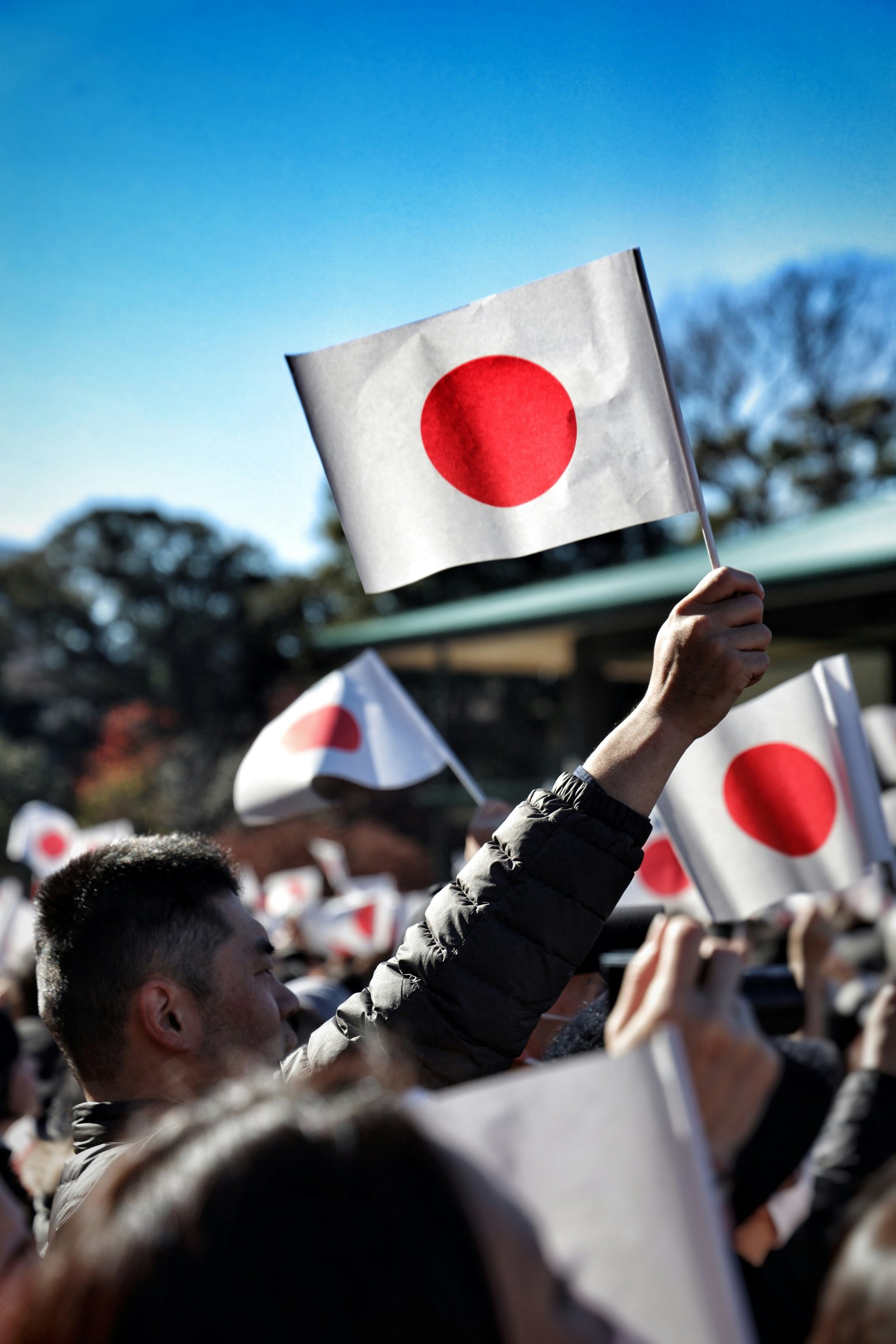
Japan has begun using cricket as a diplomatic instrument to strengthen relationships across South Asia and other cricket-playing regions. The approach represents a deliberate effort by Tokyo to engage with countries where cricket holds cultural and economic significance, moving beyond traditional diplomatic channels.
The strategy involves investment in cricket infrastructure, support for development programmes, and collaboration with national cricket boards in target countries. Japan's own cricket programme remains modest, but officials view the sport as a bridge to deeper political and economic partnerships in regions where cricket commands public attention and government resources.
What Japan Is Doing
Japan's cricket diplomacy includes funding for training facilities, coaching exchanges, and youth development initiatives in South Asian countries. The Japanese government has reportedly engaged with cricket authorities to explore partnerships that extend beyond the sport itself, positioning cricket as an entry point for broader bilateral cooperation.
Unlike countries with established cricket traditions, Japan is approaching the sport primarily as a tool for soft power rather than competitive ambition. The focus is on building goodwill and creating channels for dialogue in countries where cricket shapes national identity and public discourse.
Japanese officials have indicated that cricket offers access to audiences and decision-makers that conventional diplomacy struggles to reach. In countries where cricket stars hold influence comparable to political figures, Japan sees an opportunity to establish presence and credibility through association with the sport.
Why Japan Is Pursuing This Strategy
Japan's interest in cricket diplomacy reflects broader shifts in its foreign policy. As regional competition intensifies, particularly with China's expanding influence across South Asia, Japan is seeking alternative methods to maintain and grow its partnerships.
Cricket provides a culturally relevant platform in countries including Pakistan, India, Bangladesh, Sri Lanka, and Afghanistan, where the sport generates mass engagement. By supporting cricket development, Japan positions itself as a partner invested in local priorities rather than imposing external agendas.
The approach also aligns with Japan's existing development assistance programmes. Cricket infrastructure projects can be integrated into wider economic cooperation frameworks, creating visible symbols of Japanese involvement in partner countries.
Implications for South Asia
For South Asian countries, Japan's cricket diplomacy offers potential benefits including improved facilities, technical expertise, and financial support for grassroots development. The engagement could strengthen cricket ecosystems in countries working to expand participation and improve performance at international level.
Pakistan, where cricket remains the dominant sport and a unifying national passion, stands to benefit from Japanese investment in training infrastructure and development programmes. Any meaningful Japanese commitment to cricket in Pakistan would represent a significant addition to existing international partnerships in the sport.
However, the effectiveness of cricket diplomacy will depend on whether Japan can translate sporting engagement into lasting political and economic relationships. Sports diplomacy has proven useful for building initial connections, but sustaining influence requires deeper institutional ties and mutual strategic interests.
Japan's move also signals recognition that cultural engagement matters in regions where Western-style diplomatic protocols carry less weight than popular cultural forms. Cricket, as a sport with colonial origins that has been thoroughly localised across South Asia, offers a unique avenue for countries seeking to build influence without historical baggage.
