FirstNarration
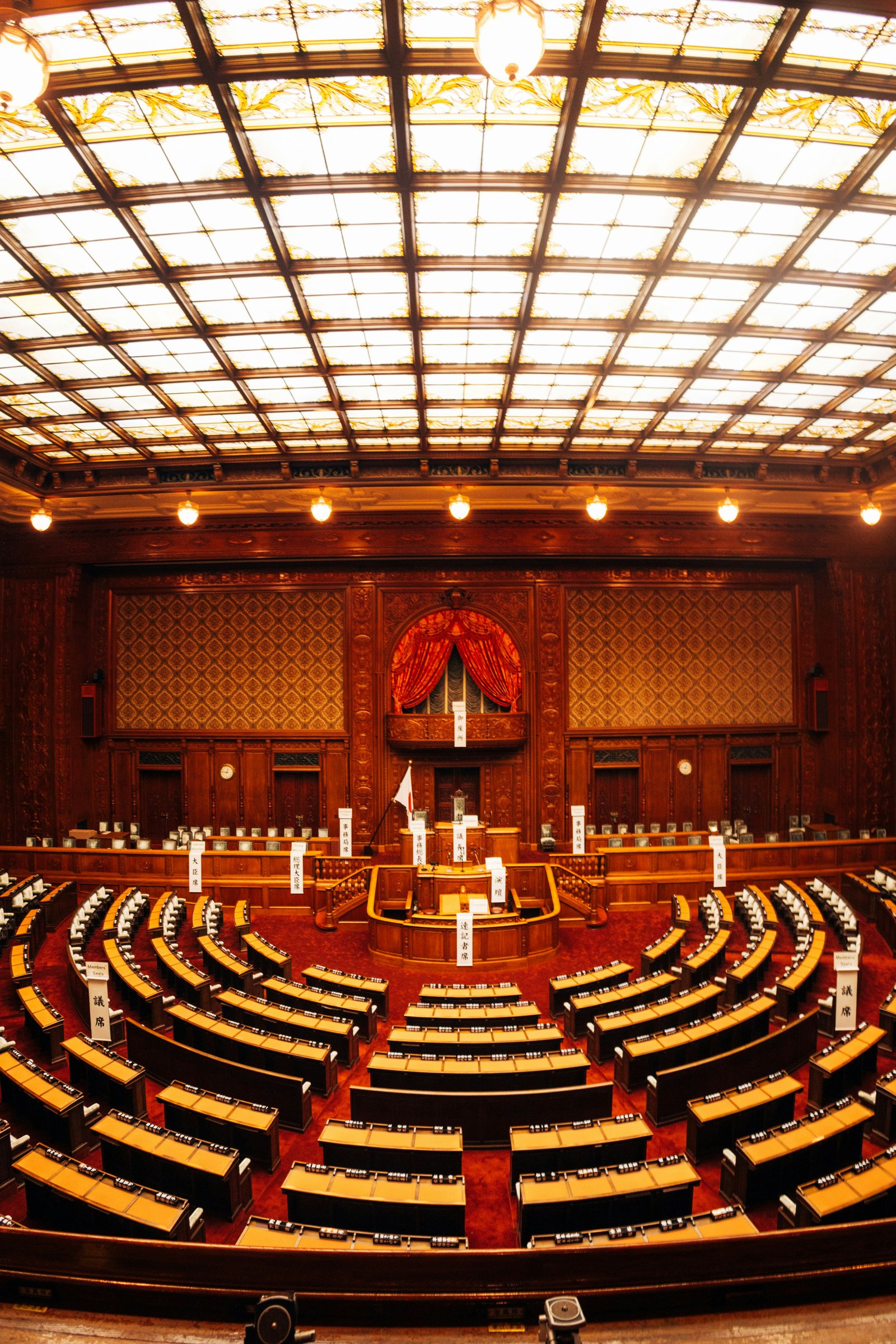
Japan's Prime Minister is set to retain the current economy minister, Kiuchi, in an upcoming cabinet reshuffle, according to reports from Japanese media. The decision signals continuity in the country's economic policy direction at a time when Japan faces ongoing challenges including inflation, currency fluctuation, and sluggish wage growth.
What the Decision Means
Keeping Kiuchi in the economy portfolio suggests the government intends to maintain its current approach to economic management rather than introduce a policy shift. Cabinet reshuffles in Japan typically provide an opportunity for prime ministers to bring in new faces, reward loyalists, or signal changes in priority areas. Retaining a minister in a key economic role during such a reshuffle indicates confidence in the existing strategy and a preference for stability.
The timing of this decision comes as Japan continues to navigate complex economic conditions. The country has been dealing with the effects of a weakening yen, rising import costs, and pressure to achieve sustained wage increases that outpace inflation. Economic policy coordination remains critical as the Bank of Japan gradually adjusts its long-standing ultra-loose monetary policy.
Cabinet Reshuffles in Japanese Politics
Cabinet reshuffles are a regular feature of Japanese political life, often used by prime ministers to refresh their administration's image, address declining approval ratings, or respond to political pressures within the ruling party. Ministers may be replaced for various reasons, including poor performance, factional balance within the party, or simply to create the appearance of change.
The decision to retain a minister, particularly in an economic role, is less common and typically reflects either strong performance or a strategic judgment that continuity is more valuable than change. Economic ministers in Japan work closely with the central bank, business leaders, and international counterparts, and replacing them can disrupt established relationships and ongoing policy initiatives.
Japan's Economic Challenges
Japan's economy has shown mixed signals in recent months. While some sectors have benefited from increased tourism and export demand, households continue to feel pressure from higher prices for food, energy, and other essentials. The government has implemented various support measures, including subsidies and tax relief, but achieving broad-based economic growth remains difficult.
Wage growth has been a particular focus, with the government encouraging companies to raise salaries to help workers keep pace with inflation. Spring wage negotiations, known as shunto, resulted in the largest pay increases in decades, but whether these gains will be sustained and spread across the economy remains uncertain.
The yen's value against major currencies has also been a concern. A weaker yen makes imports more expensive, contributing to inflation, but it can benefit exporters by making Japanese goods more competitive internationally. Balancing these competing effects requires careful policy coordination between the government and the central bank.
What Comes Next
The formal announcement of the cabinet reshuffle is expected soon, at which point the full scope of changes will become clear. While Kiuchi's retention as economy minister appears confirmed, other portfolios may see new appointments as the Prime Minister seeks to address various political and policy priorities.
For international observers and trading partners, the continuity in Japan's economic leadership provides some predictability. Major policy shifts appear unlikely in the near term, and existing initiatives are expected to continue. However, the broader effectiveness of Japan's economic strategy will depend on factors beyond ministerial appointments, including global economic conditions, domestic consumption patterns, and the evolving stance of the Bank of Japan.