FirstNarration
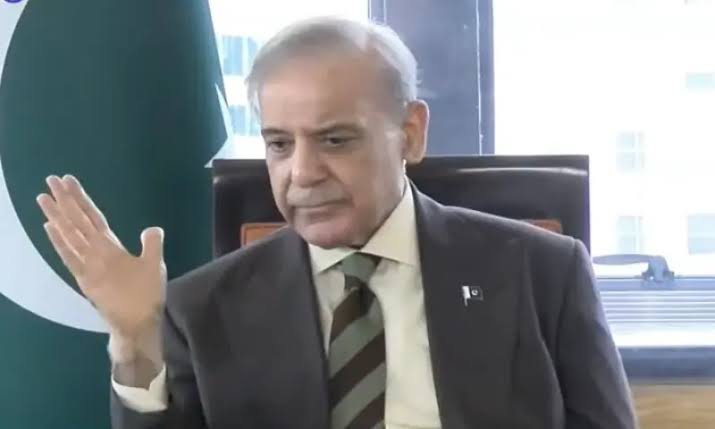
Prime Minister Shehbaz Sharif told a business delegation that Pakistan's economy has stabilized and is now moving toward growth, according to official statements. The remarks signal government confidence that the country's recent economic turbulence is easing and that conditions are improving for investment and expansion.
The Prime Minister met with representatives from the business community, though the specific organizations or individuals involved have not been detailed publicly. During the meeting, he outlined the government's view that stabilization measures taken over recent months are producing results and that the trajectory is now shifting from crisis management to growth.
What the government is claiming
Shehbaz Sharif's assessment reflects the government's position that macroeconomic indicators have improved enough to declare the economy stable. This includes progress on inflation control, foreign exchange reserves, and fiscal management. The claim of moving toward growth suggests the administration expects positive momentum in economic output, investment activity, and employment in the coming period.
The meeting with business leaders is part of ongoing government engagement with the private sector, which has been critical of policy uncertainty and the challenging operating environment over the past two years. By emphasizing stability and growth, the Prime Minister appears to be encouraging confidence and signaling that the worst of the economic difficulties may be over.
Economic context
Pakistan has faced severe economic pressure over the past year, including high inflation, currency depreciation, dwindling foreign reserves, and a stalled International Monetary Fund program. The government eventually secured a new IMF agreement, which brought temporary relief and helped stabilize the rupee and reserves. Inflation, while still elevated, has come down from its peak, and the central bank has begun cautiously adjusting interest rates.
However, growth remains fragile. The country's GDP growth rate has been modest, and key sectors including manufacturing, agriculture, and exports have struggled with energy costs, import restrictions, and weak consumer demand. Business sentiment has been dampened by policy shifts, taxation changes, and concerns about the sustainability of the current stabilization.
The government's narrative of stability is based on the argument that the immediate crisis, characterized by the risk of default and severe shortages, has been averted. Whether this translates into sustained growth depends on factors including continued IMF support, external financing, political stability, and structural reforms that have been promised but not fully implemented.
Why this matters
For Pakistan's business community, the Prime Minister's statement is a signal that the government believes the environment is improving and that investment decisions can be made with greater confidence. Business leaders have been calling for policy consistency, lower interest rates, and easing of import controls to allow industries to operate normally and plan for expansion.
The shift from stabilization to growth, if it materializes, would mean increased economic activity, job creation, and potentially higher consumer spending. However, the claim must be weighed against ongoing challenges including energy sector inefficiencies, tax collection difficulties, and external debt obligations that continue to strain the budget.
Public perception of economic stability is also critical. While official indicators may show improvement, inflation remains high in absolute terms, and the cost of living continues to pressure households. The gap between macroeconomic stabilization and lived economic experience will shape how credible the government's optimism appears to the wider population.
The meeting with business leaders and the Prime Minister's messaging suggest the government is trying to rebuild confidence and encourage private sector activity, which will be essential for any meaningful economic recovery. Whether the claimed stability holds and translates into actual growth will depend on both domestic policy execution and external economic conditions over the coming months.