 FirstNarration
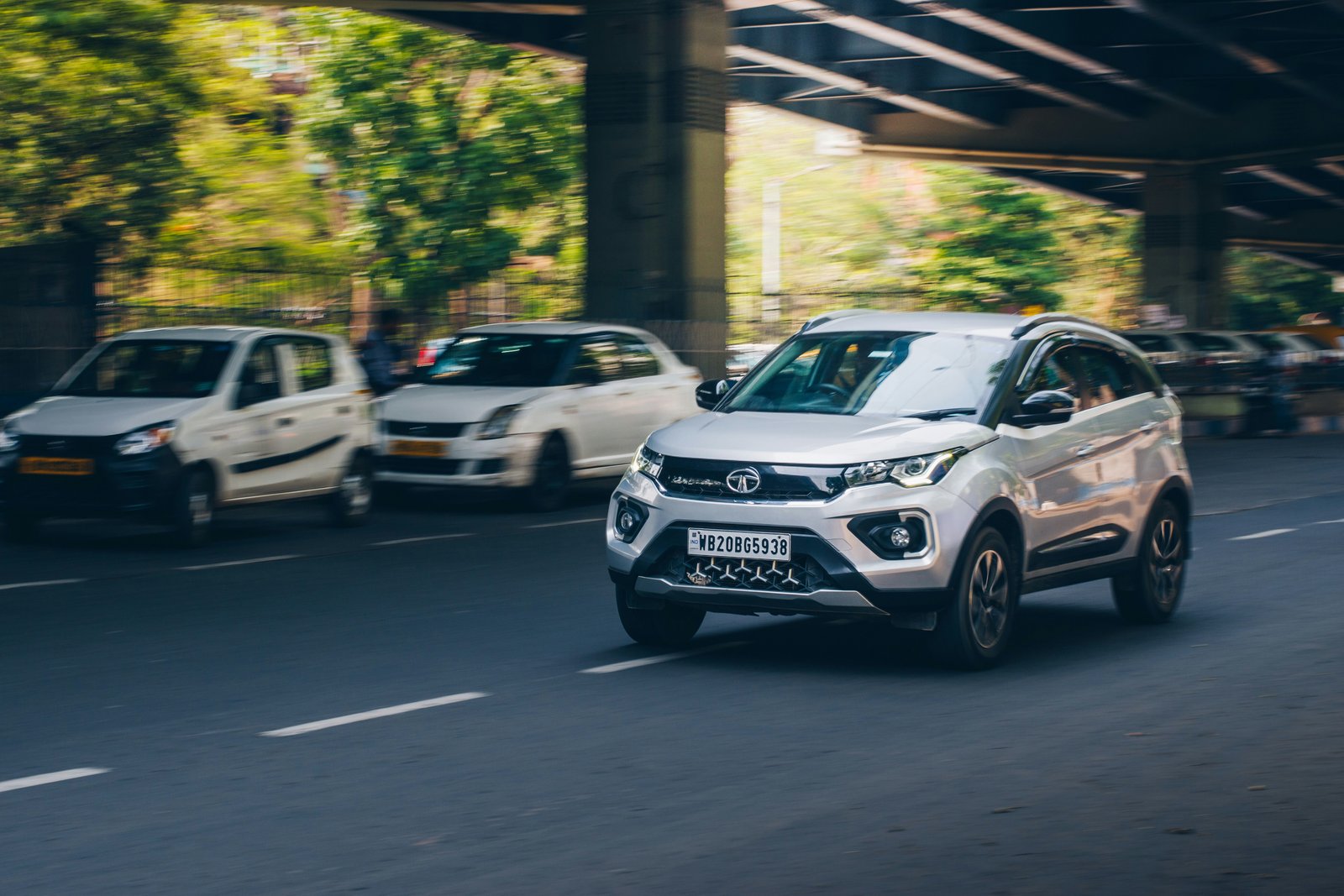
India's automotive sector recorded its strongest August performance on record in 2026, with passenger vehicle sales jumping 36.5% and two-wheeler sales crossing the 20 lakh unit mark for the month. The figures represent significant year-on-year growth across major vehicle categories and signal sustained momentum in one of the world's largest automobile markets.
Sales Performance Across Categories
Passenger vehicle sales, which include cars, utility vehicles, and vans, registered a 36.5% increase compared to August 2025. The growth reflects strong consumer demand and improved supply chain conditions that had constrained production in previous years.
Two-wheeler sales crossed 20 lakh units during the month, marking a significant milestone for the segment that represents the bulk of India's vehicle market. Two-wheelers remain the primary mode of motorised transport for millions of Indian households, and the category's performance is often viewed as an indicator of broader economic health and rural purchasing power.
The August figures build on consistent growth trends observed across 2026, with manufacturers reporting improved production capacity and steadier component availability compared to the supply disruptions that affected the sector in 2021 and 2022.
What's Driving the Growth
Several factors appear to be supporting the sales surge. Improved financing availability and competitive interest rates have made vehicle purchases more accessible to middle-income buyers. Manufacturers have also expanded their product ranges, particularly in the SUV and electric vehicle segments, attracting buyers who had delayed purchases during earlier periods of uncertainty.
Seasonal factors play a role as well. August marks the beginning of the festive season buying period in India, when consumers traditionally make major purchases ahead of Diwali and other celebrations. Manufacturers typically launch new models and offer promotional schemes during this window, which extends through October and November.
The two-wheeler segment's performance is particularly significant given its sensitivity to rural income levels and monsoon patterns. A reasonably good monsoon season in 2026 appears to have supported rural demand, though complete agricultural data for the year is still being compiled.
Industry Context and Outlook
India's automotive sector has been on a recovery trajectory following the disruptions caused by the pandemic and subsequent semiconductor shortages. Production capacity has expanded, and several manufacturers have announced fresh investments in manufacturing facilities and electric vehicle development.
The passenger vehicle segment has seen particularly strong growth in the utility vehicle category, which now accounts for a larger share of total sales than sedans. This shift in consumer preference has prompted manufacturers to adjust their product portfolios accordingly.
Electric vehicle adoption, while still representing a small fraction of total sales, has been growing steadily. Government incentives and expanding charging infrastructure in major cities have supported this trend, though the pace of adoption varies significantly between urban and rural markets.
The August performance sets a positive tone for the crucial September to November period, when manufacturers typically achieve their highest sales volumes of the year. Industry observers will be watching whether this momentum continues through the festive season and into the final quarter of 2026.
For manufacturers, the strong sales provide breathing room to invest in new technologies and expand production capacity. For the broader economy, sustained automotive sector growth typically signals healthy consumer confidence and stable employment conditions, given the sector's extensive supply chain linkages across manufacturing, retail, and services.