FirstNarration
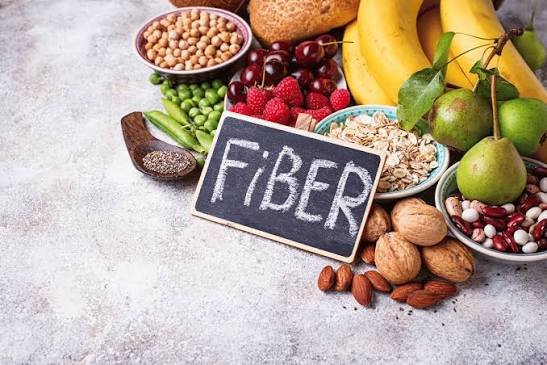
Rising food prices are making it harder for people to maintain healthy diets, but getting enough fiber doesn't require expensive superfoods or specialty products. Fiber, which supports digestive health, helps regulate blood sugar, and reduces the risk of heart disease and certain cancers, can be obtained affordably through strategic food choices and simple dietary adjustments.
Health authorities recommend adults consume 25 to 38 grams of fiber daily, yet most people fall significantly short of this target. The gap often widens when budgets tighten and processed foods, which tend to be cheaper but fiber poor, replace whole foods.
Affordable Fiber Sources
The most cost effective fiber sources are often overlooked staples. Dried beans, lentils, and chickpeas provide substantial fiber at a fraction of the cost of meat or processed alternatives. A single cup of cooked lentils delivers around 15 grams of fiber, nearly half the daily requirement for many adults, and costs considerably less than most protein sources.
Whole grains offer another budget friendly option. Brown rice, oats, and whole wheat flour cost only marginally more than their refined counterparts but contain significantly more fiber. Oats in particular provide both soluble and insoluble fiber and can be purchased in bulk for long term storage.
Fresh produce prices fluctuate, but seasonal vegetables and fruits are typically more affordable. Root vegetables such as carrots, sweet potatoes, and beets are fiber rich and often available at lower prices. Frozen vegetables retain their fiber content and nutritional value while offering consistent pricing and reduced waste.
Fruits such as apples, bananas, and oranges provide fiber along with essential vitamins. Eating the skin when appropriate increases fiber intake without additional cost. Buying slightly bruised or imperfect produce, when available at discount, does not affect fiber content.
Practical Strategies for Increasing Fiber
Small substitutions can significantly increase daily fiber intake without requiring a complete dietary overhaul. Replacing white bread with whole grain versions, choosing brown rice over white, and adding beans to soups or stews are straightforward changes that improve fiber consumption.
Leaving skins on potatoes, cucumbers, and apples preserves fiber that would otherwise be discarded. Adding vegetables to dishes that don't traditionally include them, such as mixing grated carrots or zucchini into pasta sauce, increases fiber content without noticeably changing the meal.
Buying dried beans and grains in bulk reduces per serving costs substantially. While canned beans offer convenience, dried versions are cheaper and require only advance planning for soaking and cooking. Preparing larger batches and freezing portions makes this approach more practical for busy schedules.
Common Mistakes to Avoid
Increasing fiber intake too quickly can cause digestive discomfort. Gradual increases over several weeks allow the digestive system to adjust. Adequate water intake is essential when consuming more fiber, as fiber absorbs water to function properly.
Products marketed as high fiber are not always cost effective. Many fiber enriched processed foods carry premium prices despite containing fiber that could be obtained more cheaply from whole food sources. Reading nutrition labels helps identify genuine value rather than marketing claims.
Relying exclusively on supplements bypasses the additional nutrients that whole foods provide alongside fiber. While fiber supplements can fill gaps, they should not replace fiber rich foods entirely.
Why Fiber Matters
Fiber supports multiple aspects of health beyond digestion. Soluble fiber helps lower cholesterol levels and stabilize blood sugar, reducing risks associated with heart disease and diabetes. Insoluble fiber promotes regular bowel movements and may reduce the risk of colorectal cancer.
Fiber rich foods tend to be more filling than processed alternatives, which can help with weight management. This satiety effect may reduce overall food costs by decreasing the need for frequent snacking or larger portion sizes.
Research continues to link adequate fiber intake with lower rates of chronic disease and improved longevity. These long term health benefits can reduce medical costs and improve quality of life, making fiber intake an investment in future wellbeing.
Economic pressures should not force people to choose between their budgets and their health. With informed choices and simple adjustments, maintaining adequate fiber intake remains achievable even when food costs rise.