FirstNarration
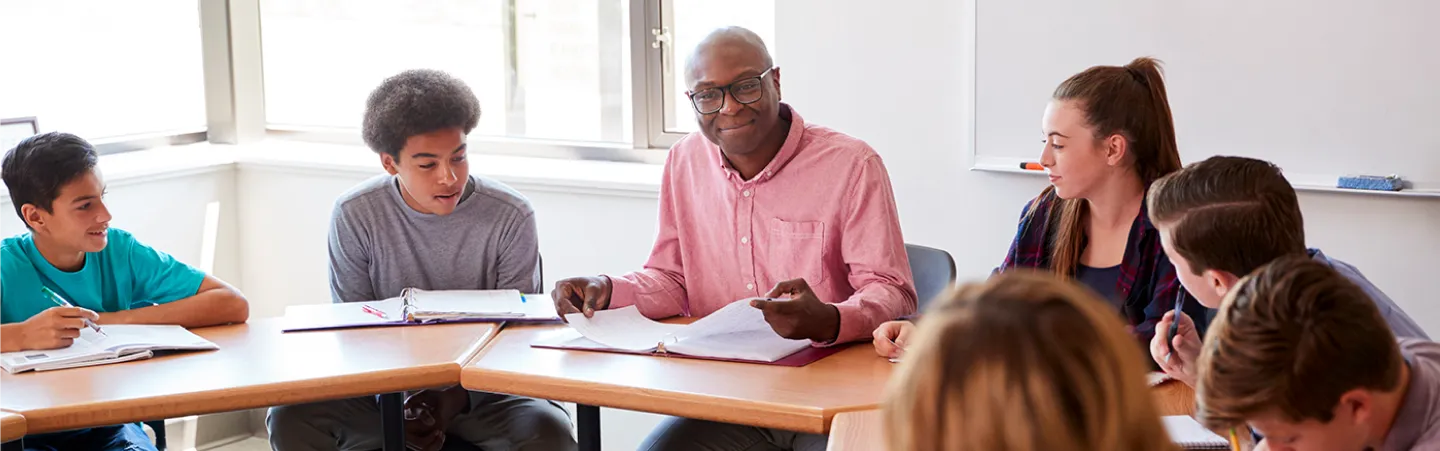
Horizon Education has released accounts of students who have achieved notable academic and career outcomes despite beginning from varied circumstances. The education provider's emphasis is on demonstrating that starting conditions do not necessarily determine final results when proper educational support and resources are available.
What the Initiative Covers
The program highlights students who entered Horizon Education's courses from different educational and economic backgrounds. Some came directly from secondary school, while others returned to education after gaps in their academic journey. The commonality across these accounts is access to structured learning pathways and support mechanisms that helped bridge initial gaps in preparation or resources.
Horizon Education provides programs across multiple disciplines, including technology, business management, language training, and professional certification courses. The organization reports that students who complete their programs have gone on to secure employment, advance in existing careers, or continue to higher education institutions.
The Broader Context
Educational accessibility remains a significant challenge in many regions, where students from less privileged backgrounds often face barriers including cost, geographic location, prior academic preparation, and awareness of available opportunities. Organizations addressing these barriers typically focus on flexible delivery methods, financial assistance options, and foundational support to help students succeed regardless of their starting point.
The approach reflects a wider shift in education delivery, where institutions are increasingly measured not just by the credentials of incoming students but by the progress and outcomes achieved by learners from all backgrounds. This model prioritizes support systems, mentorship, and practical skill development alongside traditional academic content.
Why Educational Access Matters
When education providers successfully support students from diverse starting points, the impact extends beyond individual success stories. Broader access to quality education contributes to workforce development, economic mobility, and the reduction of structural inequalities that limit opportunity based on circumstances of birth or early life.
For students, the availability of pathways that accommodate different entry points means that early setbacks, financial constraints, or gaps in prior education need not be permanent obstacles. Programs designed with this principle allow individuals to build skills and credentials that align with current job market demands.
Educational institutions that document and share these outcomes also provide useful data for policymakers and other organizations working to expand access. Understanding which support mechanisms produce measurable results helps inform resource allocation and program design across the education sector.
The Practical Elements
Horizon Education's model includes several components that appear in its student success accounts. Flexible scheduling allows students who work or have family responsibilities to pursue education alongside other commitments. Financial assistance programs reduce cost barriers for students who would otherwise be unable to afford tuition and materials.
Academic support services, including tutoring and mentorship, help students who may not have strong foundational preparation in certain subjects. Career services connect students with employment opportunities and provide guidance on resume building, interview preparation, and professional networking.
The combination of these elements creates an environment where students can focus on learning and skill development rather than being held back by circumstances that existed before they enrolled. Whether this model can be scaled or replicated across different contexts depends on resource availability and institutional commitment to supporting diverse student populations.