FirstNarration
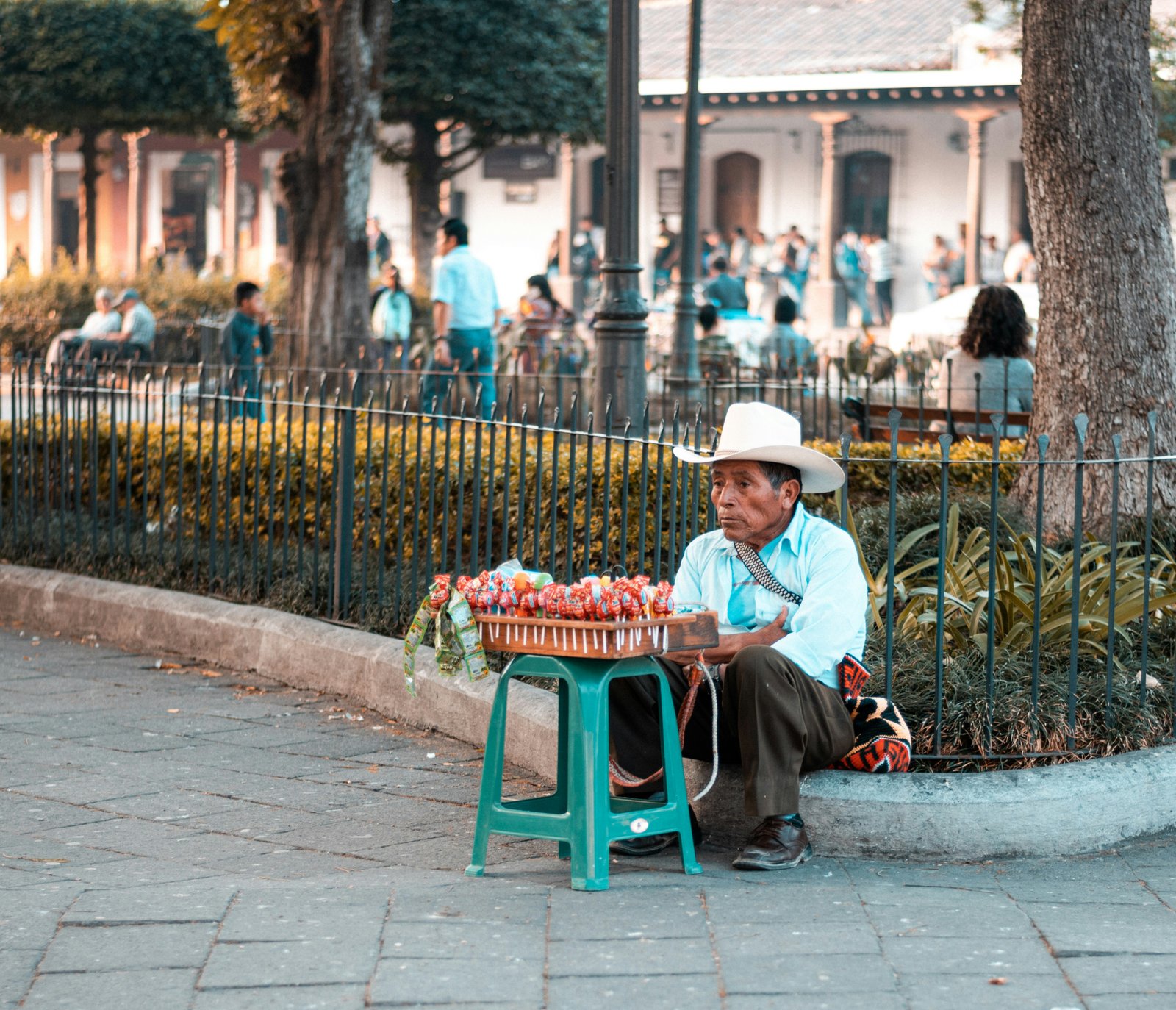
Guatemala's government is implementing an emergency food assistance programme as a severe drought linked to El Niño weather patterns threatens agricultural production and household food security across the country. The initiative comes as prolonged dry conditions damage crops and strain rural communities dependent on subsistence farming.
The drought has hit particularly hard in Guatemala's eastern and central regions, where maize and bean cultivation forms the backbone of local food systems. These staple crops are critical not only for domestic consumption but also for the livelihoods of smallholder farmers who make up a significant portion of the rural population.
What El Niño Means for Central America
El Niño is a naturally occurring climate pattern characterized by warmer than average sea surface temperatures in the central and eastern Pacific Ocean. When an El Niño event develops, it disrupts normal weather patterns across much of the globe. For Central America, including Guatemala, El Niño typically brings reduced rainfall during critical growing seasons.
The current El Niño event has produced extended dry spells that have coincided with planting and early growth periods for key crops. Without adequate moisture, germination rates fall and young plants struggle to establish root systems, leading to reduced yields or complete crop failures in some areas.
Guatemala is particularly vulnerable to climate variability because much of its agriculture relies on rain fed systems rather than irrigation infrastructure. When rains fail or arrive irregularly, farmers have limited options to compensate.
Government Response and Food Distribution
The food aid programme is being coordinated through government agencies responsible for disaster response and social welfare. While specific details about the scale of distribution, budget allocation, and number of beneficiaries have not been fully disclosed, the programme aims to reach communities where food insecurity has become acute due to harvest losses.
Food assistance typically includes basic staples such as maize, beans, rice, and cooking oil, items that form the foundation of the Guatemalan diet. The distribution is expected to prioritize households in the most affected agricultural zones where income from farming has been disrupted.
Guatemala has faced recurring food security challenges in recent years, with climate shocks, economic pressures, and limited infrastructure combining to leave vulnerable populations at risk. The current drought adds to an already difficult situation for many rural families.
Broader Regional Pattern
Guatemala is not alone in confronting El Niño related agricultural stress. Other countries across Central America have reported similar conditions, with Honduras, El Salvador, and parts of Nicaragua also experiencing below average rainfall and crop damage.
The regional nature of the drought underscores the wider challenge facing Central American governments, which must manage food security risks with limited fiscal resources and institutional capacity. International humanitarian organizations often step in to support national efforts during severe climate events, though the extent of external assistance in Guatemala's current response remains unclear.
El Niño events vary in intensity and duration, but the current pattern has been strong enough to produce measurable impacts on agriculture across multiple growing seasons. Weather forecasts and climate monitoring will determine how long the dry conditions persist and whether relief arrives in time for upcoming planting cycles.
Long Term Vulnerability
Beyond the immediate crisis, Guatemala's experience highlights the ongoing vulnerability of agricultural systems to climate variability. As global climate patterns shift and extreme weather events become more frequent, countries with limited adaptive capacity face repeated cycles of crisis and recovery.
Investments in drought resistant crop varieties, improved water management, early warning systems, and rural infrastructure could reduce future impacts, but such measures require sustained political commitment and funding. For now, emergency food aid remains the primary tool available to prevent acute hunger when harvests fail.
The situation in Guatemala serves as a reminder that food security remains fragile in regions where agriculture is the primary livelihood and climate shocks can quickly translate into humanitarian need.