 FirstNarration
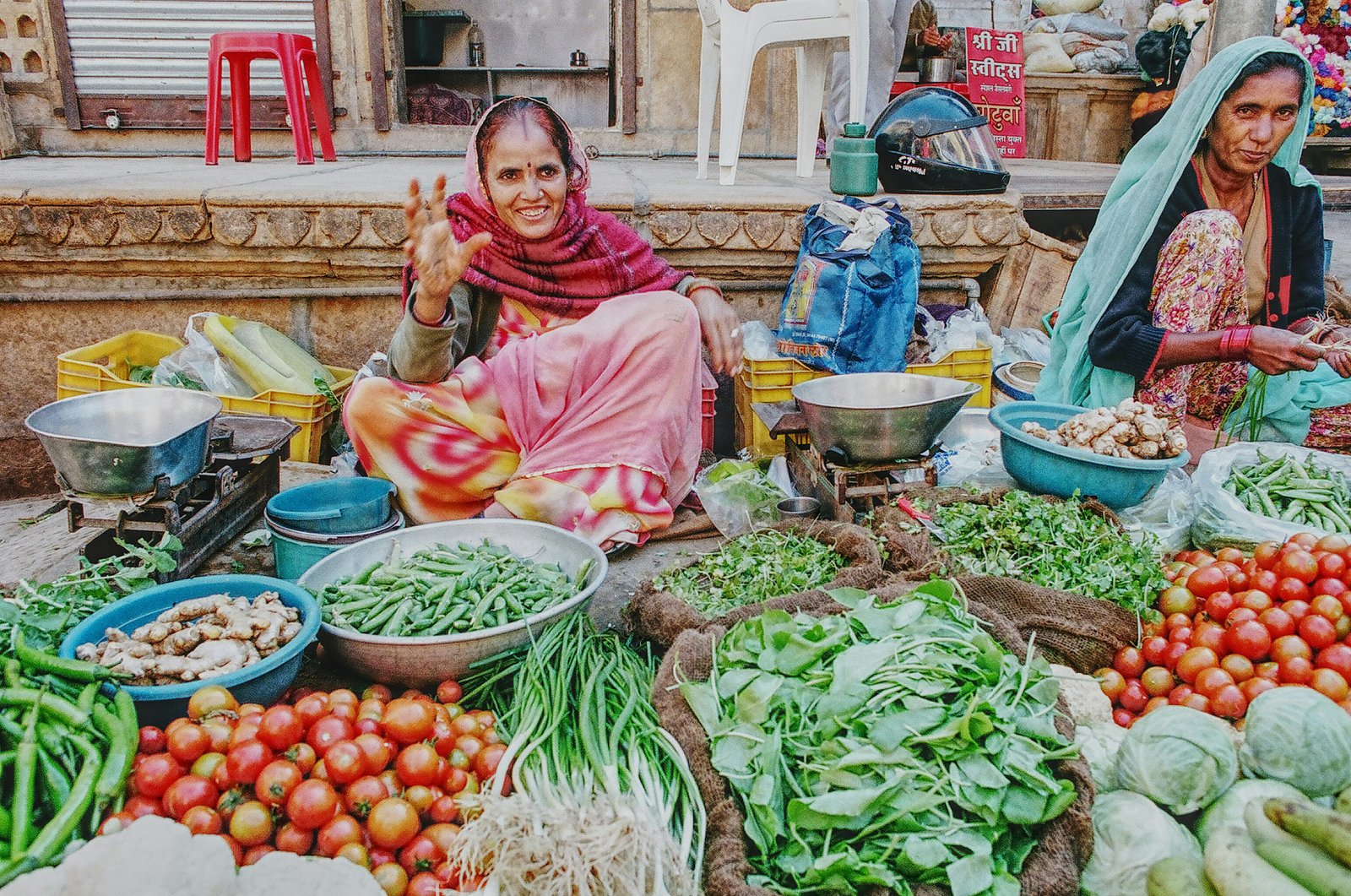
At least a dozen essential food items across India are experiencing significant price pressures, creating a mounting inflation risk that could complicate economic management and strain household budgets. The price increases span multiple categories including vegetables, pulses, edible oils, and dairy products, suggesting broad-based inflationary momentum rather than isolated supply disruptions.
The concern centres on whether these price movements represent temporary seasonal factors or the beginning of a sustained inflationary cycle that would force policy responses and reduce purchasing power for millions of families.
Which Items Are Under Pressure
The affected items include staples that form the core of daily consumption across Indian households. While specific current prices vary by region and market, the pattern of increases spans both perishable goods and stored commodities, indicating that the pressure is not limited to weather-dependent crops or short-term supply chain issues.
Vegetables, particularly those sensitive to monsoon patterns and transportation costs, are among the categories showing volatility. Pulses, which provide essential protein for a largely vegetarian population, are also experiencing upward price movement. Edible oils, dairy products, and certain grains round out the list of items contributing to the overall food inflation picture.
Why Food Inflation Matters in India
Food accounts for a substantial portion of the consumer price index in India, making food inflation a critical driver of overall inflation figures. Unlike in more developed economies where food represents a smaller share of household spending, Indian families allocate a significant portion of their income to food purchases, meaning price increases directly affect living standards and consumption patterns.
The Reserve Bank of India monitors food inflation closely when setting monetary policy. Sustained food price increases can trigger broader inflationary expectations, complicate interest rate decisions, and create political pressure on the government to intervene through market operations, import policy adjustments, or direct price controls.
For households, particularly those in lower income brackets, rising food costs mean difficult trade-offs between nutrition, other essential spending, and savings. The cumulative effect of price increases across multiple food categories can erode real incomes even when nominal wages remain stable.
Broader Economic Context
India's inflation management has been relatively stable in recent years, but food price volatility remains a persistent challenge. Agricultural production depends heavily on monsoon patterns, and supply chains for perishable goods remain vulnerable to infrastructure bottlenecks and seasonal disruptions.
Global commodity price movements also influence domestic food costs, particularly for items like edible oils where India relies substantially on imports. International price trends, currency fluctuations, and trade policy decisions all feed into the domestic price environment.
The current price pressures emerge at a time when the Indian economy is navigating post-pandemic recovery dynamics, global economic uncertainty, and domestic growth priorities. How authorities respond to food inflation, whether through monetary policy, fiscal measures, or direct market interventions, will shape both inflation outcomes and broader economic conditions in the coming months.