FirstNarration
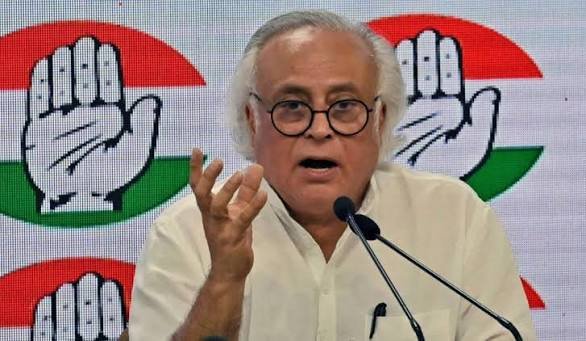
India's main opposition Congress party has launched a sharp attack on Prime Minister Narendra Modi over rising food prices, invoking a popular Hindi film song to question his campaign promises. The phrase "Kya Hua Tera Vada," meaning "What happened to your promise," references a classic Bollywood track and has become the party's rhetorical weapon as household budgets face pressure from inflation.
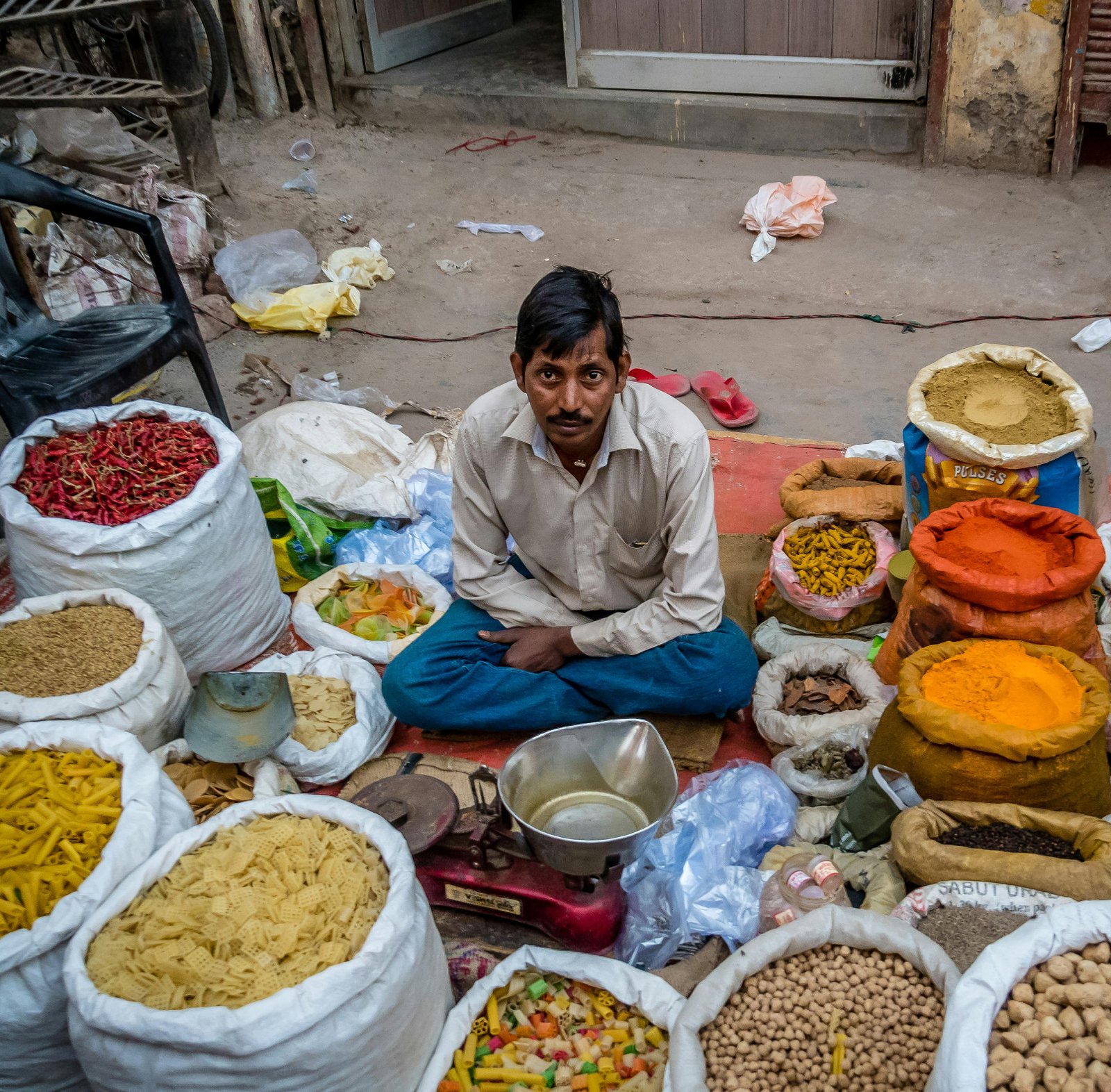
The criticism comes as food prices across India have climbed in recent months, affecting staples that form the core of household spending. Congress has used the issue to challenge Modi's economic track record, particularly his repeated assurances during election campaigns about controlling inflation and improving living standards.
What Congress Is Saying
The opposition party has focused on the gap between Modi's campaign rhetoric and ground realities. During multiple election cycles, the Bharatiya Janata Party (BJP) and Modi himself made controlling inflation a central promise, contrasting their approach with the previous Congress-led government's record on prices.
Congress leaders are now pointing to current price levels as evidence of unfulfilled commitments. The party has used social media, public rallies, and statements to highlight the cost of essential items including vegetables, pulses, cooking oil, and other staples that have seen price increases.
The "Kya Hua Tera Vada" framing is designed to be memorable and easily understood by ordinary voters, turning a complex economic issue into a simple question about broken promises. It follows a pattern of opposition parties using catchy slogans to challenge the government on bread and butter issues.
The Price Reality
Food inflation has been a persistent concern in India through 2024 and into 2025. Several factors have contributed to price pressures, including weather disruptions affecting crop yields, supply chain issues, and broader economic conditions. Tomatoes, onions, and other vegetables have seen particularly sharp fluctuations, sometimes doubling or tripling in price during shortage periods.
The government has responded with various measures including releasing buffer stocks, imposing export restrictions on certain items, and monitoring wholesale markets. Officials have attributed price rises to factors beyond direct government control, including irregular monsoons and global commodity trends.
However, the opposition argues that the government's economic policies, including its handling of agricultural markets and farmer support systems, have contributed to price instability. The debate touches on larger questions about agricultural reform, minimum support prices, and the effectiveness of government intervention in food markets.
Political Timing
The Congress offensive on food prices comes at a politically significant moment. Several state elections are either underway or approaching, and economic issues typically rank among voters' top concerns. Inflation, particularly food inflation, directly affects household budgets and can influence voting patterns, especially among lower and middle income groups.
Modi's BJP has built much of its electoral success on promises of development, economic growth, and good governance. The opposition's strategy is to chip away at that image by highlighting areas where voters may feel the government has underdelivered. Food prices are particularly effective for this purpose because they are immediate, visible, and affect everyone.
The government has countered by pointing to its welfare schemes, including free food grain distribution to hundreds of millions of people, as evidence of its commitment to food security. BJP leaders have also highlighted economic growth figures and infrastructure development as signs of overall progress.
Why This Matters
The exchange over food prices reflects a fundamental political battle over economic credibility. For Congress, regaining ground on economic issues is essential to rebuilding its position as a viable national alternative. The party lost power in 2014 partly because voters blamed it for high inflation and corruption.
For Modi and the BJP, maintaining their reputation for economic management is crucial to continued electoral dominance. Any sustained perception that inflation is out of control could erode the trust that has kept the party in power at the national level since 2014.
Beyond the immediate political theater, the debate highlights genuine challenges in managing food prices in a country as large and diverse as India. Balancing farmer incomes, consumer affordability, market efficiency, and food security remains a complex task regardless of which party is in power. The current argument is less about whether food prices are rising, which is largely accepted, and more about who is responsible and what should be done about it.