FirstNarration

A city-wide annual food drive has collected 500,000 pounds of food donations, marking a successful campaign to support local food banks and hunger relief programs. The drive brought together community members, businesses, and organizations to address food insecurity across the region.
The half-million-pound collection represents a significant contribution to local food distribution networks that serve vulnerable populations throughout the year. Food banks rely heavily on such seasonal drives to maintain adequate supplies, particularly during periods of increased demand.
How the Drive Operated
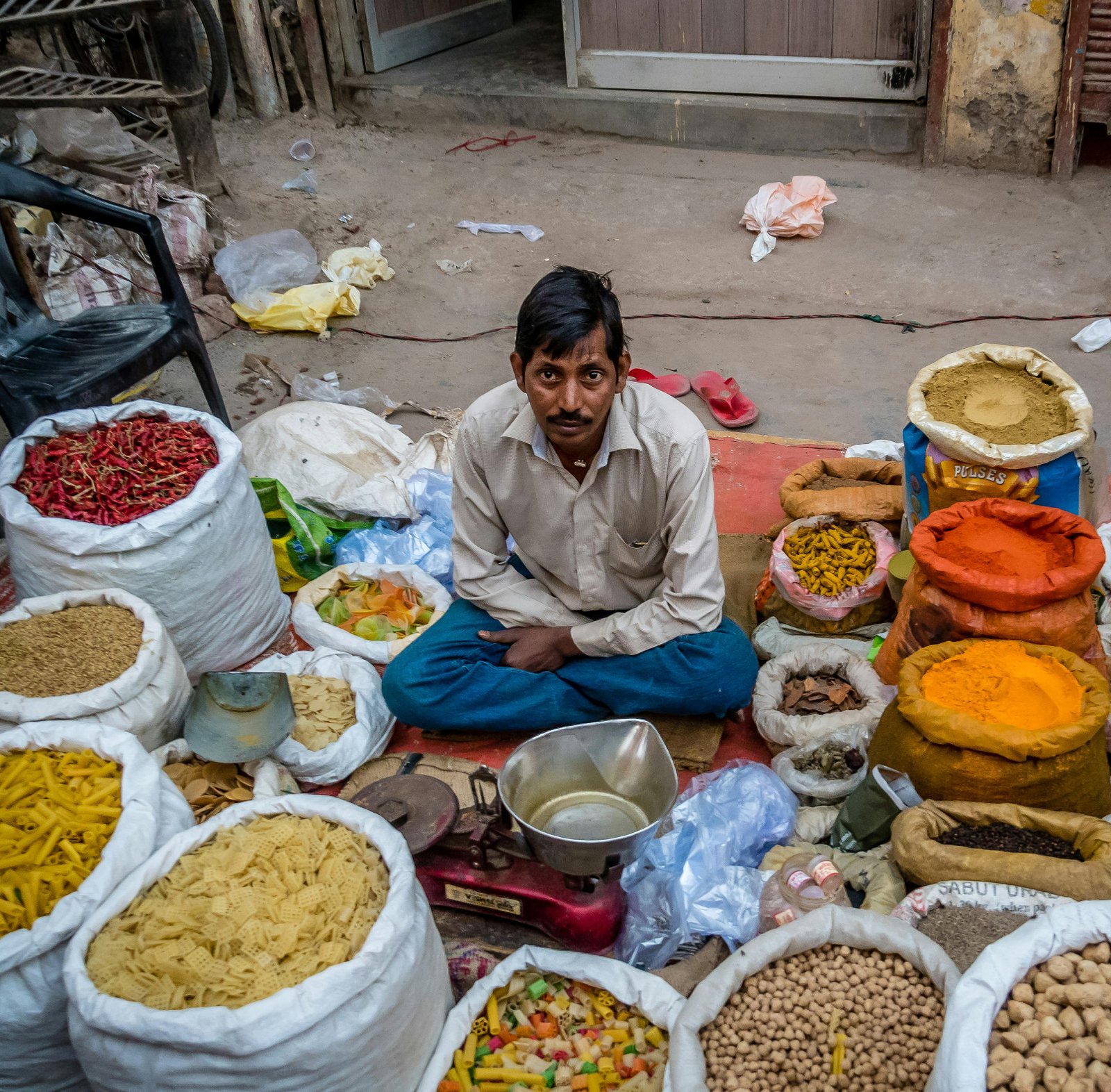
The annual campaign typically involves collection points at schools, workplaces, places of worship, retail locations, and community centers. Residents donate non-perishable food items including canned goods, dried pasta, rice, cereals, and other shelf-stable products that food banks can distribute to families in need.
Many food drives also accept monetary donations, which allow food banks to purchase specific items in bulk at reduced costs and fill gaps in their inventory. The combination of physical food donations and financial contributions helps maximize the impact of community support.
Why Food Drives Matter
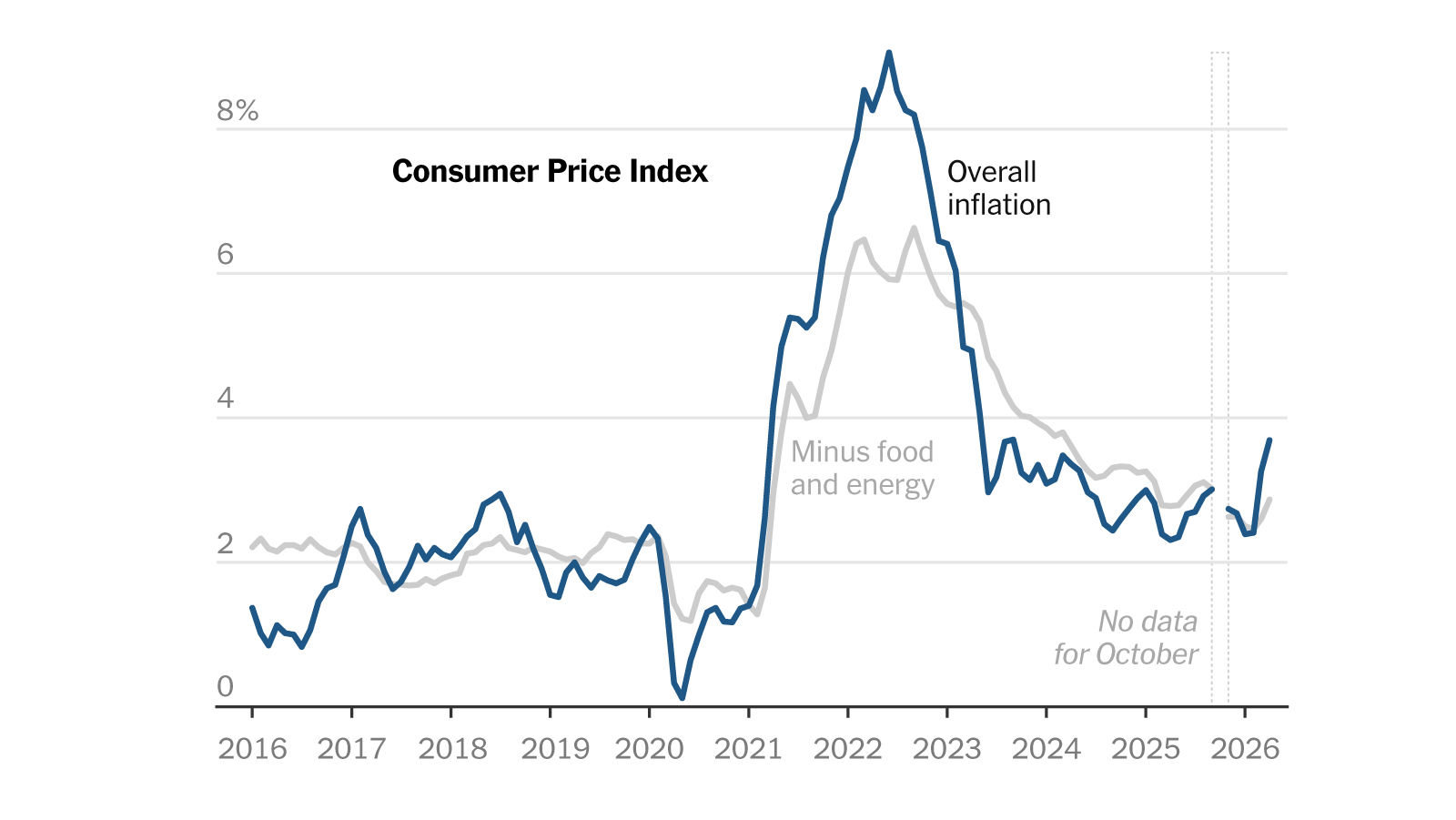
Food insecurity remains a persistent challenge in communities worldwide, affecting families who struggle to afford adequate nutrition due to rising living costs, unemployment, underemployment, or unexpected financial emergencies. Food banks serve as critical safety nets, providing free groceries and meal support to individuals and families facing temporary or chronic hardship.
Annual food drives concentrate community attention and resources during specific periods, generating substantial donations that food banks can distribute over several months. These campaigns also raise awareness about hunger and food insecurity, encouraging ongoing support beyond the drive period itself.
Large-scale collections like this 500,000-pound effort enable food banks to serve more families, maintain consistent supply levels, and plan distribution programs with greater certainty. The success of such drives depends on broad community participation and coordination among organizers, volunteers, and donors.
Broader Context on Food Security
Food insecurity affects millions of people globally, including in developed nations where economic inequality and rising costs create barriers to adequate nutrition. Community-based food assistance programs, supported by donations from drives like this one, complement government nutrition programs and help bridge gaps in food access.
The scale of this collection demonstrates both the generosity of community members and the ongoing need for food assistance infrastructure. While seasonal drives provide important support, food banks operate year-round and face continuous demand that requires sustained community engagement and resource allocation.