FirstNarration
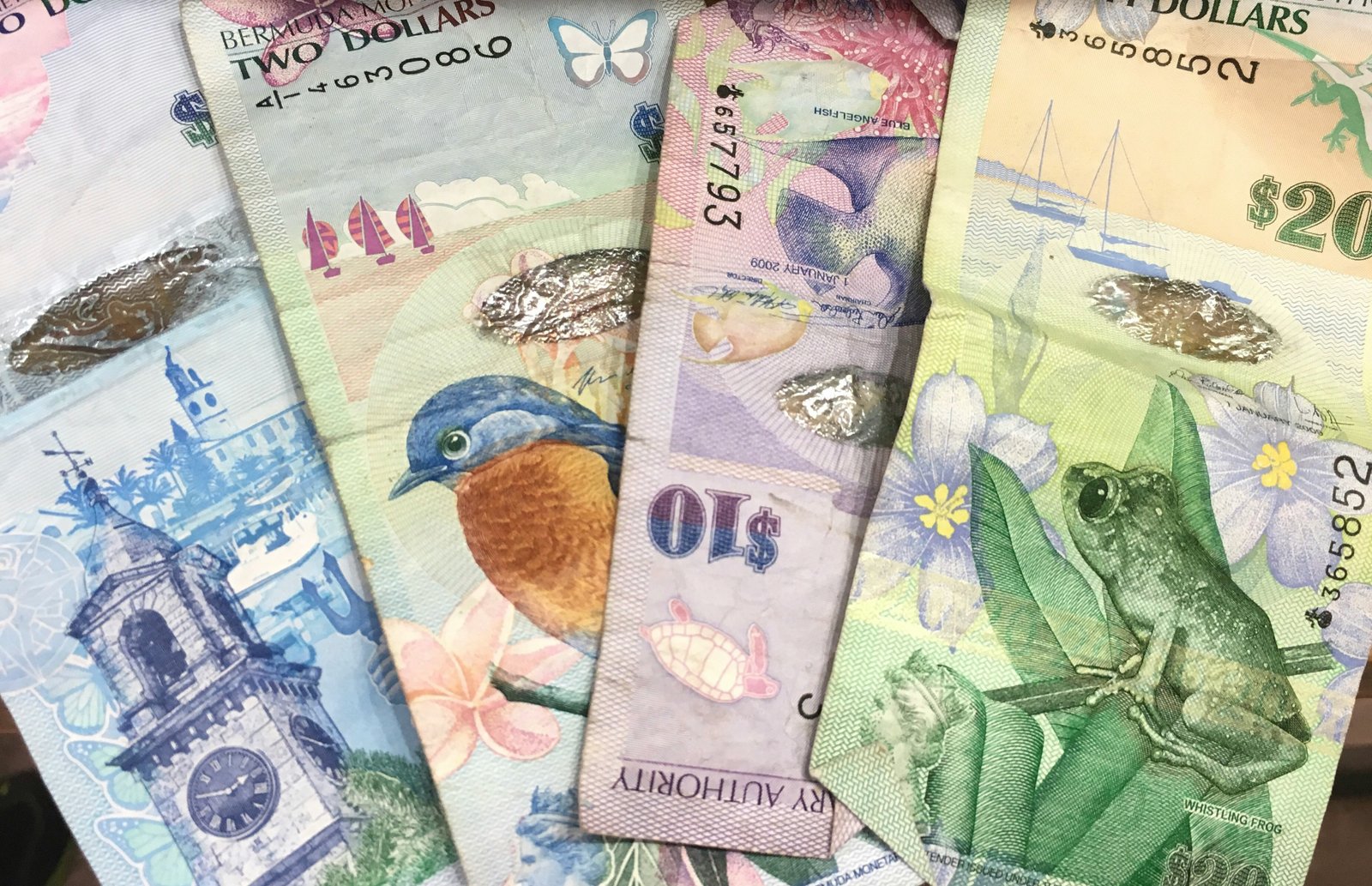
Bermuda's economy recorded a 0.5% expansion in the first quarter of 2026, according to official economic data from the Atlantic island territory. The growth figure represents a modest increase in economic activity during the January to March period.
Economic Performance Details
The 0.5% growth rate indicates continued but measured economic expansion in Bermuda, a British Overseas Territory known for its international business sector and tourism industry. While the specific drivers of this quarter's growth have not been fully detailed, Bermuda's economy typically relies heavily on financial services, insurance, reinsurance, and visitor spending.
First quarter growth figures often serve as an early indicator of economic momentum for the year ahead, though single quarter results can be influenced by seasonal factors and temporary conditions. The rate suggests the territory's economy is expanding at a steady, if not dramatic, pace.
Bermuda's Economic Context
Bermuda operates as a major offshore financial centre, hosting numerous international insurance and reinsurance companies. The territory's economy is considered high income, but its small size and geographic isolation make it particularly sensitive to global economic conditions and shifts in international business activity.
Tourism represents another significant component of Bermuda's economic base, with the territory attracting visitors primarily from North America. Economic performance in this sector depends heavily on travel trends, airline connectivity, and broader consumer confidence in key source markets.
The territory faces ongoing economic challenges including a high cost of living, limited natural resources, and dependence on imports for most goods. Government debt levels and fiscal management remain ongoing policy considerations for Bermudian authorities.
Broader Regional Picture
The modest growth rate places Bermuda within the range of economic performance seen across various Caribbean and Atlantic island economies, many of which are working to recover and stabilize following disruptions in recent years. Small island economies generally face distinct challenges including vulnerability to external shocks, limited economic diversification, and infrastructure constraints.
How this quarter's performance compares to previous periods or to official forecasts remains to be seen as more detailed analysis becomes available. Economic growth rates in small territories can vary considerably from quarter to quarter based on specific sectoral developments or one-time factors.