FirstNarration
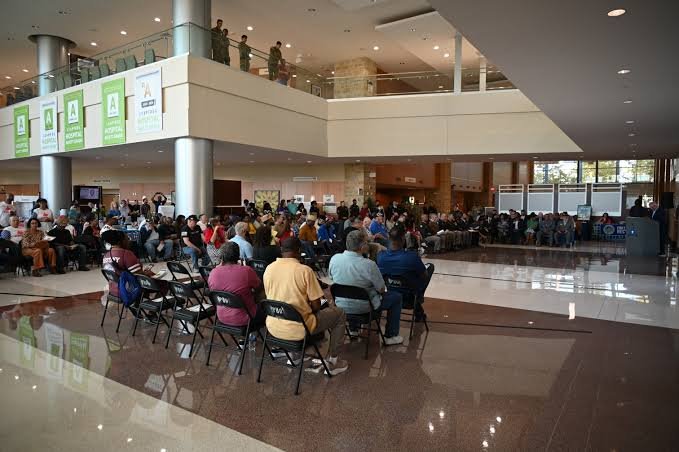
Carl R. Darnall Army Medical Center (CRDAMC) conducted its 51st annual Retiree Health Fair, marking more than five decades of providing health services and information to retired military personnel and their families. The event offered health screenings, medical consultations, and resources designed specifically for the needs of military retirees.
What the Health Fair Provided
The annual fair brought together healthcare providers, medical specialists, and support organizations to offer a range of services under one roof. Attendees had access to health screenings that typically include blood pressure checks, glucose testing, vision assessments, and other preventive health measures commonly recommended for older adults.
Medical professionals were available to answer questions about ongoing health concerns, medication management, and access to military healthcare benefits. The event also served as an opportunity for retirees to learn about changes in healthcare policy, enrollment procedures, and available support programs.
Information booths and educational materials covered topics relevant to aging populations, including chronic disease management, mental health resources, fitness programs, and nutrition guidance.
A Long Standing Tradition
The 51st iteration of the event reflects a commitment that began in the early 1970s, when the medical center first organized a dedicated health fair for military retirees. Over the decades, the format has evolved to address changing healthcare needs and incorporate new medical knowledge, but the core purpose has remained consistent: ensuring retired service members maintain access to health information and preventive care.
Military retirees often face unique health challenges related to their service, including injuries sustained during active duty, exposure to environmental hazards, and the physical demands of military life. Regular health screenings and access to specialized care can help identify problems early and improve long term outcomes.
The annual gathering also functions as a community event, allowing retirees to reconnect with fellow veterans and maintain ties to the military healthcare system they served under.
Why Preventive Health Events Matter
Health fairs targeting specific populations serve an important role in preventive medicine. For retirees, particularly those who may face barriers to regular healthcare access such as distance from medical facilities, mobility limitations, or confusion about benefit eligibility, a centralized event simplifies the process of obtaining basic health assessments.
Early detection through routine screening can identify conditions like hypertension, diabetes, and high cholesterol before they lead to serious complications. For older adults, these screenings are especially valuable as the risk of chronic disease increases with age.
The fair also addresses gaps in health literacy by providing direct access to medical professionals who can explain complex health information in understandable terms. For military retirees navigating the transition from active duty healthcare to veteran benefits, this kind of support can make a significant difference in maintaining continuity of care.
Events like this reflect a broader recognition within military healthcare systems that supporting veterans extends beyond their years of active service. Preventive care and ongoing health education help ensure that those who served receive the medical attention they have earned.