 FirstNarration
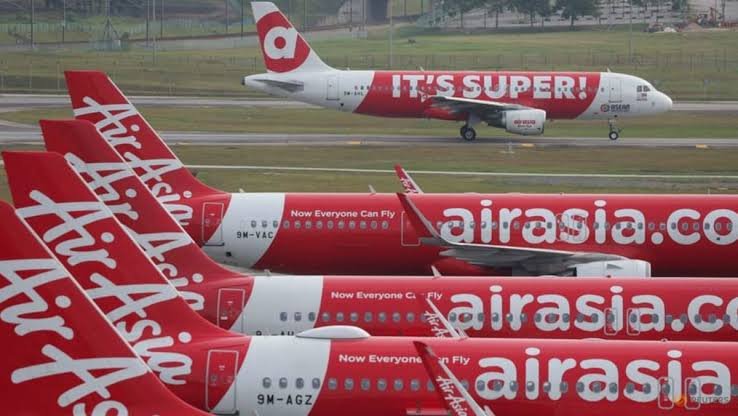
Malaysian authorities are in discussions with rival airlines as they monitor the financial health of AirAsia, the region's largest budget carrier. The talks suggest official concern about the airline's current financial position, though the specific nature of those concerns has not been publicly detailed.
The engagement with competing carriers indicates the government may be preparing contingency measures should AirAsia face operational difficulties. What form those measures might take, or how imminent any financial pressure may be, remains unclear from available information.
AirAsia's Position in Malaysian Aviation
AirAsia has been a dominant force in Southeast Asian low cost travel for over two decades. Founded in 2001 and built around the budget airline model, it grew rapidly to become one of the region's most recognisable carriers, operating extensive domestic and international routes across Asia.
The airline faced severe disruption during the pandemic, when travel restrictions grounded fleets across the industry. While air travel has since recovered substantially, many carriers continue dealing with debt accumulated during the shutdown period, alongside rising fuel costs and intensifying competition.
AirAsia's parent company, Capital A, has been working to restructure its business in recent years, separating its aviation operations from other ventures including digital services and logistics. The financial performance of these various units, and the overall health of the group, has been subject to market scrutiny.
What the Government Engagement Means
When aviation regulators or government officials begin talking to rival carriers while monitoring an airline's finances, it typically signals preparation for potential service disruption. Authorities want to ensure passenger routes remain covered and that any sudden operational changes do not leave travellers stranded or markets underserved.
Such discussions do not necessarily mean collapse is imminent. They can be precautionary, part of standard regulatory oversight when an airline shows financial stress indicators. However, the fact that these talks are taking place, and have become known, suggests the situation warrants official attention beyond routine monitoring.
Malaysia's aviation sector depends heavily on AirAsia for domestic connectivity and regional international links. Any significant operational reduction would affect both business and leisure travel across the country and the wider region.
Implications for Regional Aviation
The low cost carrier model, while successful in opening air travel to millions who previously could not afford it, operates on thin margins. Fuel price volatility, currency fluctuations, and unexpected demand shocks can quickly turn profitable routes into loss making ones.
Several budget airlines globally have faced financial difficulties in recent years. Some have required bailouts, others have undergone restructuring, and a few have ceased operations entirely. The sector's financial resilience remains a question as the industry adjusts to post pandemic realities.
For passengers and the broader travel industry, uncertainty around a major carrier creates immediate practical concerns. Advance bookings, ticket validity, frequent flyer programmes, and route availability all come into question when an airline's financial stability is under scrutiny.
Malaysia's government has not publicly outlined what measures, if any, it might take. The discussions with rival carriers could be purely exploratory, ensuring alternative capacity exists should it be needed, or they could indicate more active contingency planning is underway.