FirstNarration
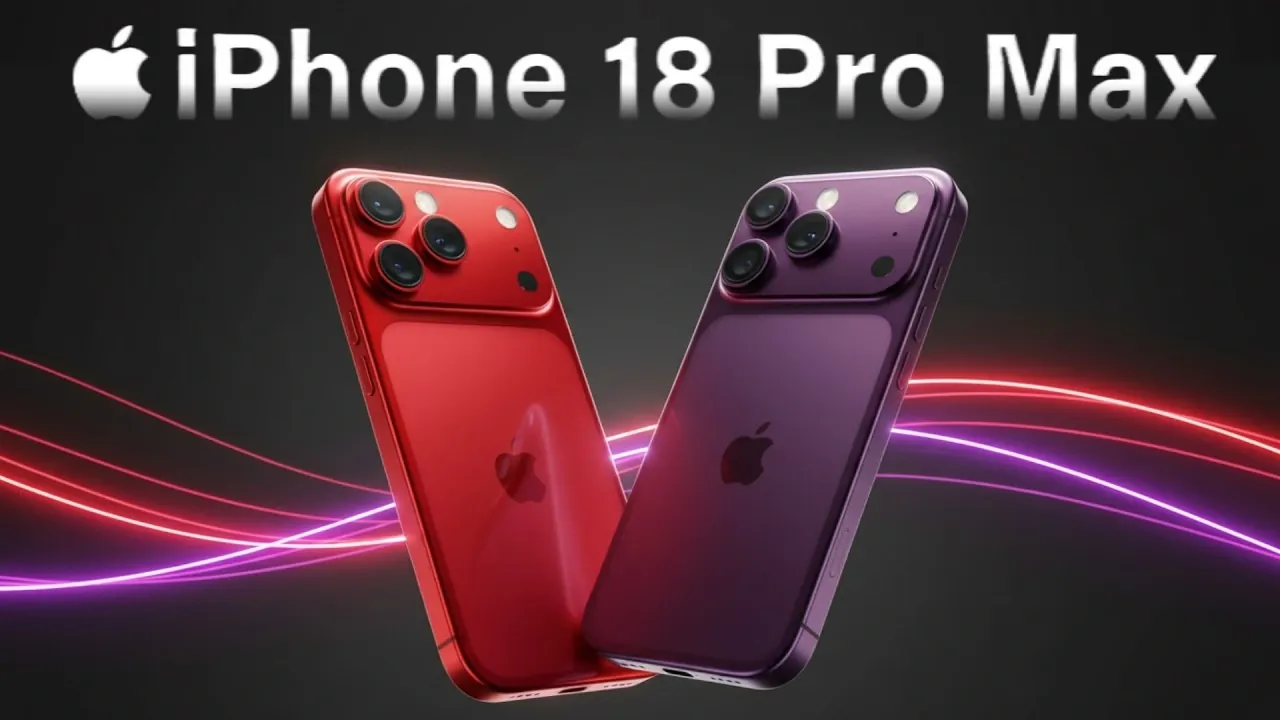
Apple has released the iPhone 18 Pro and iPhone 18 Pro Max with a redesigned camera system that introduces variable aperture technology to the main lens. The devices also carry larger batteries than their predecessors, with the standard Pro model equipped with a 4,056 mAh cell and the Pro Max holding 5,391 mAh.
Variable Aperture Camera System
The primary camera on both Pro models now features a variable aperture mechanism that allows the lens opening to adjust between different f-stops. This gives users direct control over depth of field and low light performance in ways previous iPhone cameras could not manage. The technology lets photographers choose whether to blur backgrounds heavily or keep more of a scene in sharp focus, similar to what dedicated camera systems offer.
The implementation represents a significant hardware change from Apple's previous computational photography approach, which simulated depth effects through software. With physical aperture control, the camera can now capture genuinely different optical characteristics rather than approximating them after the fact.
However, the added complexity and manual control options mean the camera system is designed primarily for users who understand photographic principles and want that level of adjustment. Casual photographers who rely on automatic modes may not notice substantial improvements over the previous generation.
Battery Capacity and Model Variants
Battery specifications show a clear increase from the iPhone 17 Pro generation. The standard iPhone 18 Pro carries 4,056 mAh, while the Pro Max holds 5,391 mAh. Models sold with eSIM only configurations reportedly have slightly larger battery capacities than versions that retain physical SIM card slots, though exact figures for the eSIM variants have not been officially confirmed.
The capacity increase should translate to longer daily usage, though actual battery life depends on how the A19 processor manages power and how demanding the camera system proves in regular use.
Specifications Overview
| Feature iPhone 18 Pro iPhone 18 Pro Max | ||
| Main Camera | Variable aperture | Variable aperture |
| Battery Capacity | 4,056 mAh | 5,391 mAh |
| eSIM Variant Battery | Larger (exact figure not confirmed) | Larger (exact figure not confirmed) |
| Target User | Professional and advanced photographers | Professional and advanced photographers |
Market Positioning and Trade-In Programs
Carriers are offering trade-in programs for the new models, with some accepting devices in any condition toward the purchase price. The approach suggests Apple and its partners are prioritizing market share and ecosystem retention over strict device valuation.
Technical specifications and 3D models of both Pro variants are now available through device databases, allowing case manufacturers and accessory makers to begin production ahead of wider availability.
What This Means for Users
The variable aperture system gives the iPhone 18 Pro genuine photographic flexibility that previous models lacked, but it comes with a learning curve. Users who shoot primarily in automatic mode or rely on computational photography may find the improvements subtle compared to the iPhone 17 Pro.
The larger battery addresses a longstanding complaint about Pro model endurance, particularly for users who shoot video or use the camera system heavily throughout the day. Combined with expected processor efficiency gains, the capacity increase should deliver measurable improvements in daily use.
For markets like Pakistan, where official Apple distribution remains limited and most devices arrive through unofficial channels, pricing will depend on import costs and currency fluctuations. The Pro models typically carry significant premiums in such markets, and the added camera complexity may push prices further beyond the reach of general consumers who would gain little practical benefit from the advanced features.