FirstNarration

Gas consumers in Pakistan could be asked to bear an additional cost linked to the protection of the country's oil and gas infrastructure, with the potential financial burden estimated at around Rs46 billion.
The proposal reflects the growing cost of securing energy infrastructure, including installations and networks that are critical to maintaining supplies across the country.
Any additional recovery from consumers would have to go through the relevant regulatory and government process before it becomes a charge on gas bills. The reported amount should therefore not be treated as a new bill surcharge that consumers are already required to pay.
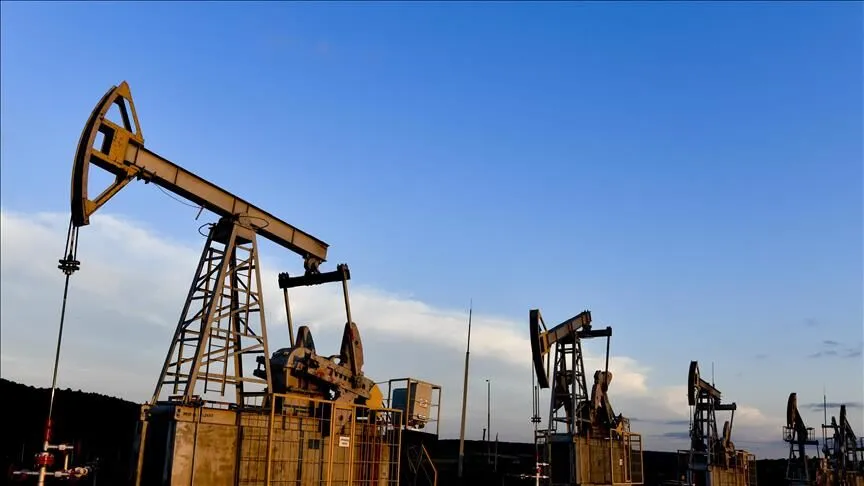
Pakistan's energy infrastructure is spread across large areas and includes gas transmission and distribution networks, pipelines, processing facilities and other installations. Protecting these assets can involve security personnel, surveillance, maintenance and other operational costs.
The issue becomes particularly sensitive when the government attempts to recover such costs from consumers because gas prices are already under pressure from supply costs, imported LNG, circular debt and other charges built into the energy system.
For households, any additional levy would add to the cost of gas consumption. For commercial and industrial users, the impact could be considerably larger because their gas consumption is substantially higher.
The proposal also raises a broader question about how infrastructure security should be financed.
If the cost is recovered through consumers, the government may argue that the users of the energy system should contribute toward protecting the infrastructure that delivers their supply. Consumers, however, could question whether security costs should instead be funded through the federal budget or absorbed elsewhere in the energy chain.
The final financial impact will depend on the mechanism selected by the authorities and whether the proposed amount is recovered from all categories of consumers or distributed differently among residential, commercial, industrial and other users.
Pakistan's gas sector has already faced significant financial pressure. Gas-sector circular debt, imported fuel costs and the mismatch between domestic gas prices and the actual cost of supply have repeatedly required government intervention.
That makes any new consumer charge politically and economically sensitive.
For now, consumers should view the Rs46 billion figure as the estimated cost under discussion rather than an amount that has already been added to monthly gas bills.
Any final decision would need to be formally announced by the relevant authorities, along with details of the amount, collection mechanism and categories of consumers affected.