 FirstNarration
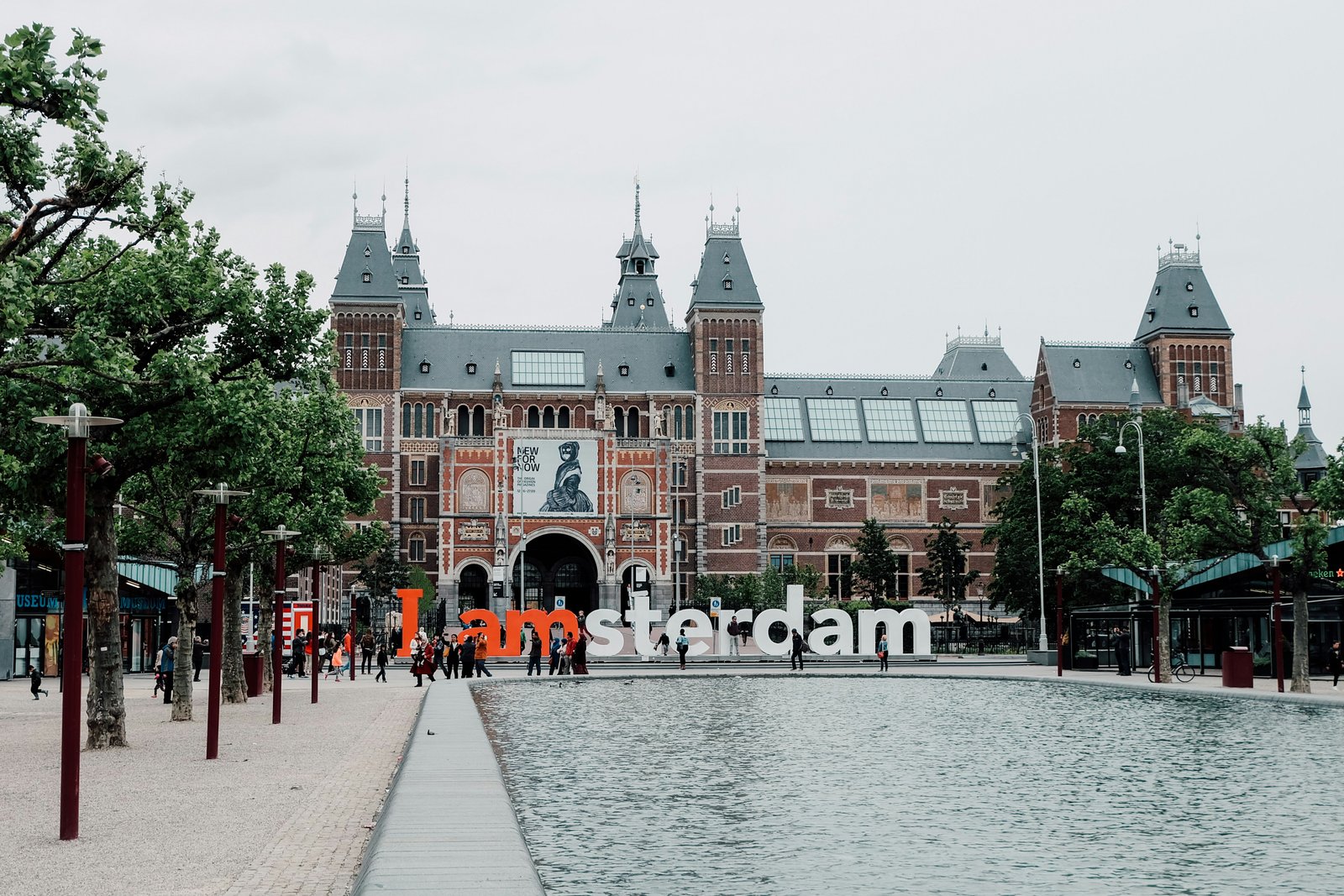
Amsterdam has become the first major city in the world to ban advertising for fast fashion, fossil fuels, and air travel in public spaces. The ban, approved by the city council, targets industries considered major contributors to climate change and environmental harm. Fast fashion companies will no longer be able to place advertisements on billboards, bus shelters, metro stations, or other public advertising spaces controlled by the municipality.
The decision marks the first time any city has specifically restricted fashion advertising on environmental grounds, setting a precedent that other cities may follow.
What the Ban Covers
The advertising ban applies to three categories: fossil fuel companies, aviation, and fast fashion retailers. Fast fashion refers to clothing brands that produce large volumes of inexpensive garments designed to be worn briefly and discarded, a business model linked to significant waste, pollution, and carbon emissions.
The ban affects outdoor advertising spaces managed by the city. Private property and digital platforms are not covered by the restriction. Companies in the targeted sectors will be unable to rent municipal advertising space once the ban takes effect.
Amsterdam's city council cited the environmental impact of these industries as the primary justification. Fast fashion production involves high water consumption, chemical pollution, and greenhouse gas emissions. The industry also generates enormous textile waste, with most discarded clothing ending up in landfills or incinerated.
Why Amsterdam Took This Step
The decision follows years of pressure from environmental groups and city residents concerned about climate change. Amsterdam has committed to reducing carbon emissions and becoming climate neutral by 2050. City officials argue that continuing to advertise products and services that directly contradict these goals undermines public climate policy.
Supporters of the ban say advertising encourages overconsumption, particularly in the fashion sector where marketing drives rapid trend cycles and repeat purchases. By removing these advertisements from public view, the city aims to reduce consumer demand for environmentally harmful products.
The ban also reflects growing awareness of the fashion industry's environmental footprint. Textile production accounts for approximately 10 percent of global carbon emissions, more than international aviation and shipping combined. Fast fashion brands typically release new collections every few weeks, encouraging consumers to buy more clothing than necessary and discard items quickly.
Reaction and Implementation
The ban has received mixed reactions. Environmental organizations have praised Amsterdam for taking concrete action rather than relying solely on voluntary industry commitments. Climate activists view the decision as a necessary step to align public policy with environmental targets.
Industry groups and advertising companies have criticized the ban, arguing it restricts commercial freedom and may not effectively change consumer behavior. Some fashion retailers have stated they are already working to reduce their environmental impact through sustainable materials and recycling programs.
The ban is expected to take effect in the coming months, though the exact implementation timeline has not been finalized. Amsterdam's municipal advertising contracts will be updated to exclude the targeted industries.
Broader Context
Amsterdam's decision follows similar restrictions in other European cities, though none have previously targeted fashion advertising. Several French cities have banned fossil fuel advertising, and some municipalities have restricted airline advertisements. Amsterdam is the first to include fast fashion in such a ban.
The move comes as European governments consider broader regulations on advertising for high emission industries. The European Union has introduced stricter rules on greenwashing, requiring companies to substantiate environmental claims in their marketing. Some policymakers have proposed extending these rules to outright advertising bans for certain sectors.
Whether other cities will follow Amsterdam's example remains uncertain. The ban's effectiveness will likely influence future policy decisions elsewhere. If the restriction demonstrably reduces consumption or shifts purchasing patterns toward more sustainable options, it may encourage similar measures in other urban centers.
For now, Amsterdam stands alone as the first city to treat fast fashion advertising as a matter of public environmental policy rather than purely commercial activity.